

 See My Latest Article on HelloNation

Are Bigger HVAC Units Always Better for Forest Acres Homes?
No, bigger is not always better for HVAC systems in the city. Many residents believe that a larger unit will cool or heat homes faster or more efficiently. In reality, an oversized system can cause problems such as short cycling, uneven temperatures, and higher humidity indoors. This is especially true in Forest Acres, where humidity can rise in the warmer months and older homes may not be well-sealed.
Short cycling happens when a system cools the space too quickly and shuts off before properly removing moisture from the air, leaving rooms feeling clammy. Over time, frequent starts and stops put extra wear on equipment, which can shorten its life and require more maintenance. The best HVAC performance is achieved by matching system capacity to the home’s square footage, insulation, and window characteristics, not simply opting for the biggest unit available.
Do You Need to Change HVAC Filters Only Once a Year?
Changing filters only once yearly is a common myth. In reality, HVAC filters should be checked every month—especially during heavy use in the peak summer and winter months in Forest Acres. Dust, pollen, and pet dander accumulate more rapidly in regions with dense tree cover and seasonal allergens like this area.
For many households, replacing or cleaning the filter every 1-3 months ensures best system efficiency and helps prevent clogs that force equipment to work harder. Clean filters also promote healthier indoor air, which is important in neighborhoods with a mix of older homes where dust and allergens may be a bigger concern.
Does Closing Vents in Unused Rooms Lower Energy Costs?
It may seem logical to close vents in rooms that aren’t being used to redirect air where it’s needed most. However, most local central HVAC systems are designed to distribute air evenly based on the home’s ductwork. Closing vents can actually increase pressure inside ducts, which may cause leaks, strain the blower motor, and eventually damage the system.
Rather than saving money, this strategy can lead to higher energy bills and more wear on equipment. Instead, consider other ways to manage comfort and efficiency, such as using ceiling fans, blinds, or adjusting the thermostat by a degree or two.
Should You Run the AC Continuously During Hot Forest Acres Summers?
Leaving the AC running all day may seem necessary, but a constantly running system isn’t always desirable or cost-effective. Systems that never cycle off may not be sized correctly, or there may be insulation or air sealing issues allowing cool air to escape.
Programmable thermostats offer a better way to manage temperatures while reducing electricity usage. Set schedules that mirror residents’ routines, and make use of features like setbacks when the house is empty. Regularly checking for leaks around windows, doors, and ductwork can further help retain cool air and ease the burden on HVAC systems during high heat.
Do HVAC Units Only Need Attention When They Break?
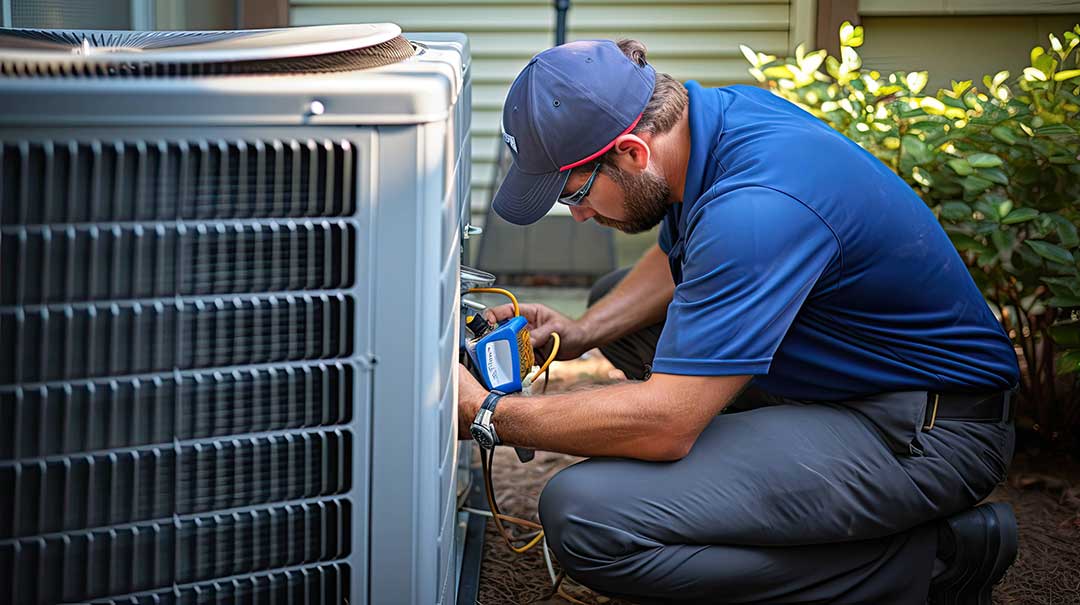
Many believe that HVAC systems only require attention during a breakdown. However, skipping annual maintenance can lead to unnoticed problems, less efficient operation, and higher long-term costs. For example, coils in both heating and cooling equipment can collect dust or debris, reducing efficiency—especially in neighborhoods surrounded by trees or with heavy pollen seasons like Forest Acres.
Regular maintenance, including professional inspections of refrigerant levels, electrical connections, and moving parts, helps systems perform reliably across local seasonal changes. Proactive care also extends the lifespan of the equipment and provides peace of mind through both sweltering summers and chilly winter nights in the city.
Is Setting the Thermostat Lower Cool the House Faster?
Setting the thermostat much lower than your desired indoor temperature won’t speed up cooling; it only keeps the system running longer. HVAC systems cool at a constant rate, regardless of how low the temperature is set. Dropping the thermostat drastically may actually lead to overcooling and unnecessary energy use before residents have a chance to readjust.
A steady, comfortable setting and the use of ceiling fans provide better results on hot days. In homes with programmable controls, gradual adjustments timed around daily routines also help save energy without sacrificing comfort.
Does Duct Tape Fix All Ductwork Problems?
Despite the name, standard "duct tape" is not recommended for sealing ductwork. It tends to dry out and lose adhesion quickly, especially in the warm, humid conditions frequently found in attics and crawl spaces in Forest Acres. This can let cooled or heated air leak out, lowering efficiency and raising utility bills.
A more effective approach uses mastic sealant or metal-backed (foil) tape, which withstand heat and humidity better over time. Insulating exposed ducts in unconditioned spaces further reduces energy loss—an important tip for older homes in the city where HVAC systems may not have modern efficiency upgrades.
Are Heat Pumps Not Effective in the Local Climate?
Heat pumps are sometimes misunderstood as only suitable for moderate climates, but modern models can efficiently handle both heating and cooling in Forest Acres. They work well for most winter cold spells, which are typically mild compared to northern regions. During extreme cold snaps, some systems may include backup electric or gas heat to ensure comfort.
Residents should choose a system properly rated for local temperature ranges and ensure regular maintenance for best year-round performance. This makes heat pumps an energy-efficient option for many area households.
What About “Maintenance-Free” or “Self-Cleaning” HVAC Systems?
No HVAC system is truly maintenance-free, even if labeled as such. Self-cleaning features or advanced filtration can reduce some upkeep, but routine filter changes, seasonal inspections, and occasional cleaning are still necessary. Dust, pollen, and debris common in local areas can clog even advanced systems if left unchecked.
Neglecting these basic tasks increases the risk of inefficient operation and avoidable breakdowns, regardless of technology claims. Following equipment guidelines and responding to changing local conditions leads to more reliable heating and cooling for every season.