
 See My Latest Article on HelloNation
What Happens During an HVAC Inspection?
A professional HVAC inspection is a thorough checkup of your heating, ventilation, and air conditioning systems. For residents of Forest Acres, SC, these inspections help ensure systems are operating safely and efficiently through the area’s hot summers and mild, sometimes unpredictable winters. Expect a trained technician to examine, test, and evaluate each part of your unit—not just glance at the thermostat.
The visit typically lasts about one to two hours, depending on your system’s age, condition, and accessibility. The exact process may vary depending on the type of system you have (central air, heat pump, furnace, etc.), but there are core steps that apply to most homes.
Why Schedule an HVAC Inspection Locally?
Routine HVAC inspections are recommended for households in the city for three main reasons: maintaining indoor comfort, preventing unexpected system failures, and protecting indoor air quality. The high humidity and pollen counts common in Forest Acres can place added demand on air conditioning systems and air filters. Inspections help catch issues before they result in costly breakdowns—especially during peak cooling months when reliable performance matters most to the community.
Many Forest Acres homes, especially older ranches and mid-century houses, can also have legacy ductwork or insulation issues that a professional will evaluate during an inspection. Addressing these issues early extends your system’s lifespan and helps manage energy costs.
What Does the Technician Look For?
Expect a multi-point inspection that aims to identify potential safety hazards, efficiency losses, or wear and tear. Some of the most common areas and parts checked include:
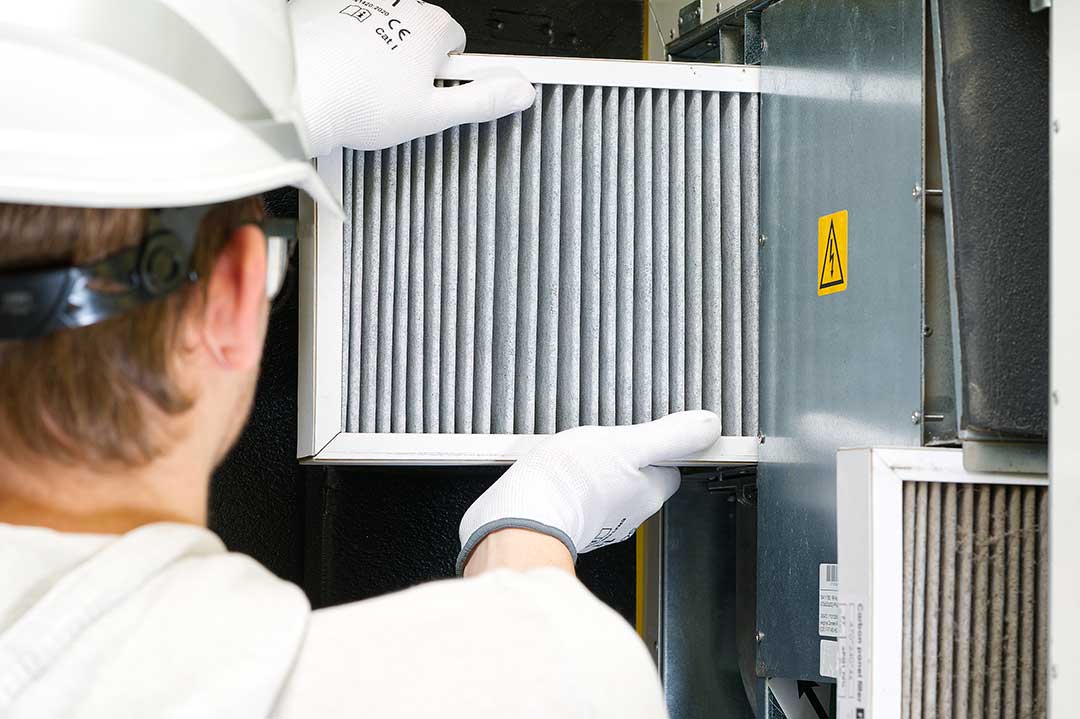
- Air filters: Checked for dirt, dust, or blockages affecting air quality and system strain.
- Thermostat: Confirmed for proper operation and accurate temperature settings.
- Electrical connections: Inspected for corrosion, loose wires, or burnt contacts that could cause shorts or inefficiencies.
- Blower and fan components: Examined for debris, wear, and correct operation.
- Refrigerant levels (for AC/heat pumps): Monitored for leaks and correct charge—especially relevant with long, hot summers.
- Heat exchanger (for furnaces): Checked for cracks or rust, which can be a carbon monoxide risk.
- Ductwork: Assessed for leaks, buildup, or disconnects impacting airflow and efficiency.
- Condensate drain: Cleared of any blockages that could lead to water damage or mold.
- Safety devices: Confirmed to be in working order, such as limit switches or carbon monoxide sensors.
For many homes in Forest Acres, where tree pollen and dust can be an ongoing issue, technicians may pay close attention to filtration and airflow problems.
What Does “Inspection” Actually Include?
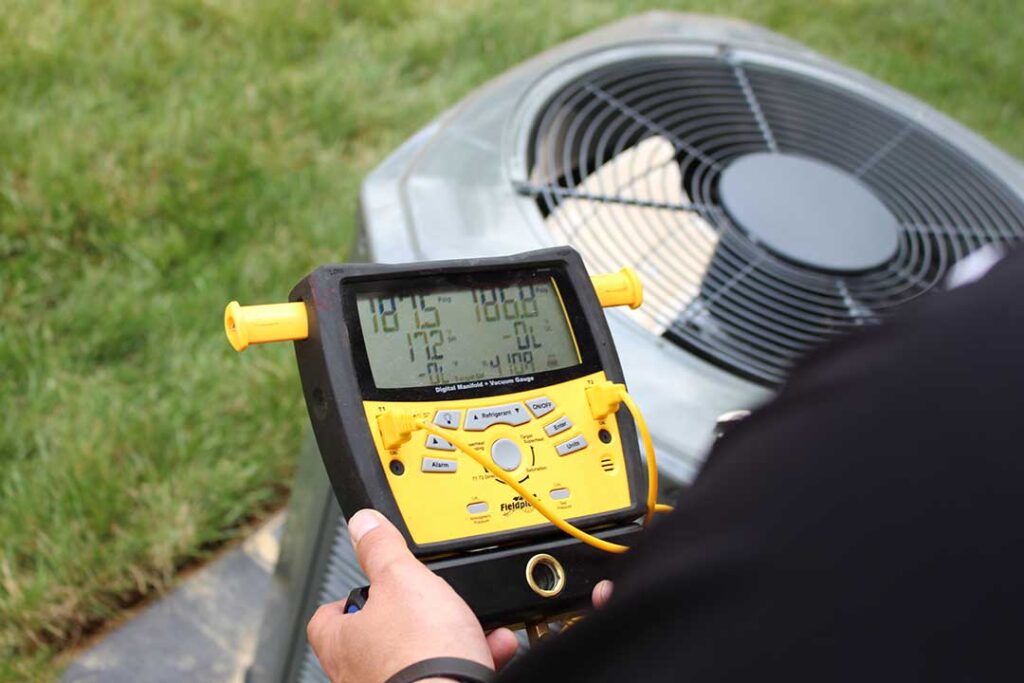
A professional HVAC inspection is more than a simple visual check. Technicians use specialized tools (such as multimeters, thermometers, and pressure gauges) to measure performance under real-world conditions. Expect that they will:
- Run the system through a full heating or cooling cycle
- Measure temperature differences at supply and return vents to check efficiency
- Listen for abnormal noises that could indicate mechanical problems
- Observe the ignition and shut-off sequence for safety in gas systems
Occasionally, homeowners are surprised at how detailed this process is. Don’t be alarmed if the technician asks about unusual odors, changes in system noise, past repairs, or comfort levels in different rooms—these clues can highlight problems hidden from basic visual inspection.
Will the Technician Find Problems?
Not every inspection will reveal a major issue, but it’s common to find minor concerns that, if left unaddressed, could become expensive repairs. In Forest Acres, it’s typical for inspections to uncover clogged filters from pollen, duct leaks in older homes, or worn capacitors struggling during long cooling seasons.
You may receive practical recommendations based on what’s found, such as replacing filters more often during pollen-heavy months, sealing a duct, or adjusting your thermostat programming. Inspections do not obligate you to agree to repairs, but understanding any findings is essential for planning ahead or maintaining health and comfort.
Common Misconceptions About HVAC Inspections
A few misconceptions often come up among area households:
- Inspections aren’t just for broken systems. Even working systems can have hidden inefficiencies or safety issues.
- Simply changing the filter does not substitute for a full inspection.
- Inspections are not the same as tune-ups, though some tasks (like lubrication or minor adjustments) may be included.
- Modern and older systems alike benefit from regular inspection—age isn’t the only factor.
In Forest Acres where both new builds and post-war homes are present, assumptions about a system’s needs based on age alone can be misleading.
Is There Anything to Do Before an HVAC Inspection?
While the technician handles nearly everything, residents can help make the process go smoothly by:
- Ensuring the area around indoor and outdoor HVAC units is clear of clutter, plants, or debris
- Writing down any unusual system behavior or symptoms noticed since the last inspection
- Locating system manuals or past service records, which can be helpful if questions arise
Staying prepared makes the visit more productive and allows the technician to focus on accurate diagnosis.
How Are Forest Acres’ Climate and Homes Unique?
The inspection process in the city takes local environmental and housing factors into consideration. High humidity levels may prompt special attention to drain lines and duct leaks, as moisture buildup is not uncommon. Large shade trees in many neighborhoods can help with cooling but also contribute to leaf and pollen accumulation around outdoor units.
Older homes in Forest Acres sometimes lack modern insulation or may have unique retrofitted system layouts. Inspections for these homes may be more focused on ductwork integrity, ventilation adequacy, and signs of wear in foundational system components.
What Happens After the Inspection?
After examining the system, the technician typically reviews all findings with the homeowner. This discussion usually covers:
- Condition of key components
- Any urgent safety or operational concerns
- Suggested maintenance or repairs
- Tips for maintaining comfort and efficiency
Residents should expect honest, neutral feedback. Remember that inspections are intended to inform, not pressure, and provide actionable information for managing local weather extremes and protecting household health throughout the year.