

 See My Latest Article on HelloNation
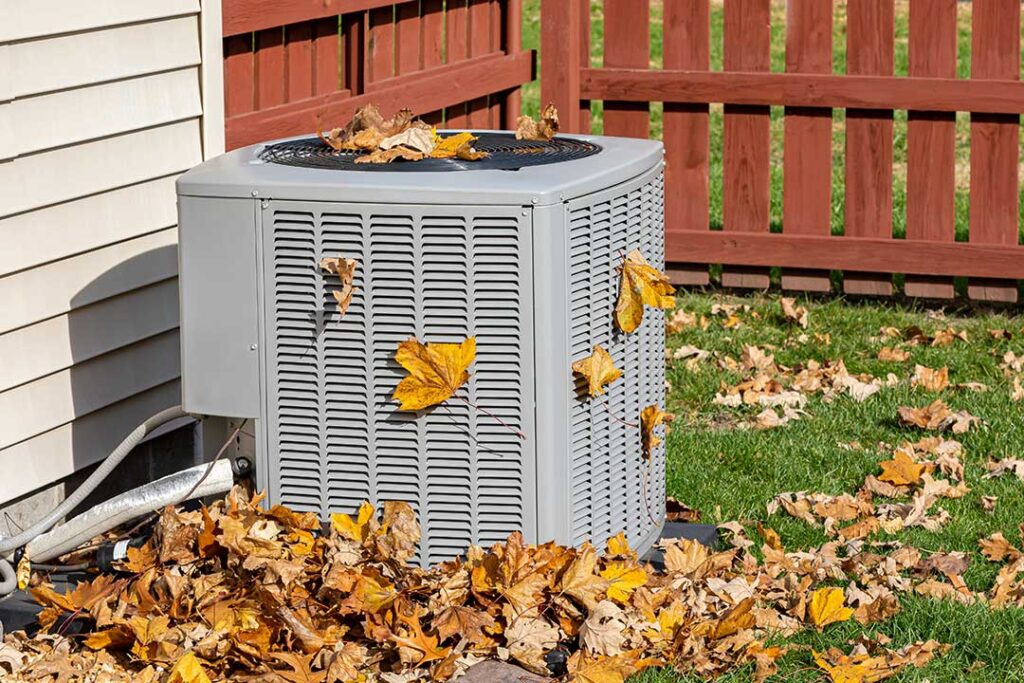
Living in Forest Acres, SC, means enjoying the Southern hospitality, charming neighborhoods, tree-lined streets, and—let’s be honest—hot, humid summers and temperamental winters. Your home is your sanctuary, so your HVAC system plays a critical role in keeping it comfortable year-round. But when it’s time to install or replace your HVAC unit, one question tops the list: How do you choose the right size HVAC system for your home?
This isn’t just about making sure your house feels just right on those sticky August afternoons or chilly January mornings. The size of your HVAC determines energy efficiency, monthly bills, system lifespan, and, ultimately, your comfort. Here’s what every Forest Acres homeowner should know.
Why HVAC Sizing Matters
Getting the size of your HVAC system right—technicians call this “sizing”—isn’t just about square footage. It’s about matching the unique needs of your home and lifestyle with the power and capacity of your HVAC. Here’s why it’s so important:
- Efficiency: An oversized system turns on and off too frequently, wasting energy. An undersized system runs non-stop, struggling to keep up and hiking your utility bills.
- Comfort: Properly sized systems avoid hot/cold spots and provide steady airflow to every room.
- Humidity Control: In humid regions like Forest Acres, a right-sized system helps manage indoor humidity. Oversized units cool quickly but don’t run long enough to dehumidify, leaving your home clammy.
- System Longevity: Constant cycling or overwork wears down components faster, leading to more frequent repairs and a shorter system life.
Factors That Affect HVAC Sizing
There’s no one-size-fits-all formula. Sizing depends on several factors unique to your Forest Acres home:
- Square Footage: Larger homes need more capacity, but this is just the starting point.
- Insulation Quality: Well-insulated homes retain heat and cool air, requiring less HVAC power.
- Window Placement and Type: Old or non-insulated windows lose cool air fast, especially on hot summer afternoons.
- Ceiling Height: High ceilings mean more air to heat or cool.
- Home Layout: Open concepts, additions, and attic or basement rooms all influence system size.
- Local Climate: Hot, humid summers and mild but sometimes damp winters in Forest Acres require systems to handle wide seasonal swings.
The Manual J Load Calculation: The Gold Standard
Top HVAC contractors use the “Manual J Load Calculation,” a method that considers every variable from Forest Acres’ local climate conditions to your home’s shade trees. This calculation looks at:
- Home orientation (east-facing rooms may need more cooling)
- Number and size of windows and doors
- Insulation in walls, attic, and crawlspace
- Number of occupants (extra bodies produce heat)
- Lighting, appliances, and other heat-producing items
- Outdoor and indoor temperature extremes for Forest Acres
Homeowners often overlook the value of this calculation, opting instead for rough sizing estimates. But cutting corners here can cost you for years to come.
Common HVAC Sizing Mistakes in Forest Acres
- Going by Rule of Thumb: “Tonnage per square foot” is popular, but rarely accurate for unique Southern homes that vary widely in age and build.
- Forgetting Local Conditions: That beautiful canopy of oak trees may actually help keep your home cooler, reducing your cooling load.
- Ignoring Renovations: Additions, attic conversions, sunrooms, or basement spaces all require rethinking your sizing needs.
- Not Factoring in Lifestyle: Do you need cooler bedrooms at night or a home office that stays relaxed and comfortable during long work-from-home sessions? These preferences impact your needs.
BTUs, Tons, and What They Mean
When talking HVAC sizing, you’ll often hear “BTUs” (British Thermal Units) and “tons” (12,000 BTUs per ton). Here’s a simple breakdown:
- BTU: The amount of energy needed to change the temperature of your space.
- Ton: In HVAC, one “ton” of cooling is the capacity to cool 12,000 BTUs per hour.
The “average” 2,000-square-foot home in Forest Acres might need between 2.5 and 4 tons, but as discussed above, averages rarely tell the full story.
Key Steps to Choose the Right HVAC Size
Here’s how to tackle the sizing process:
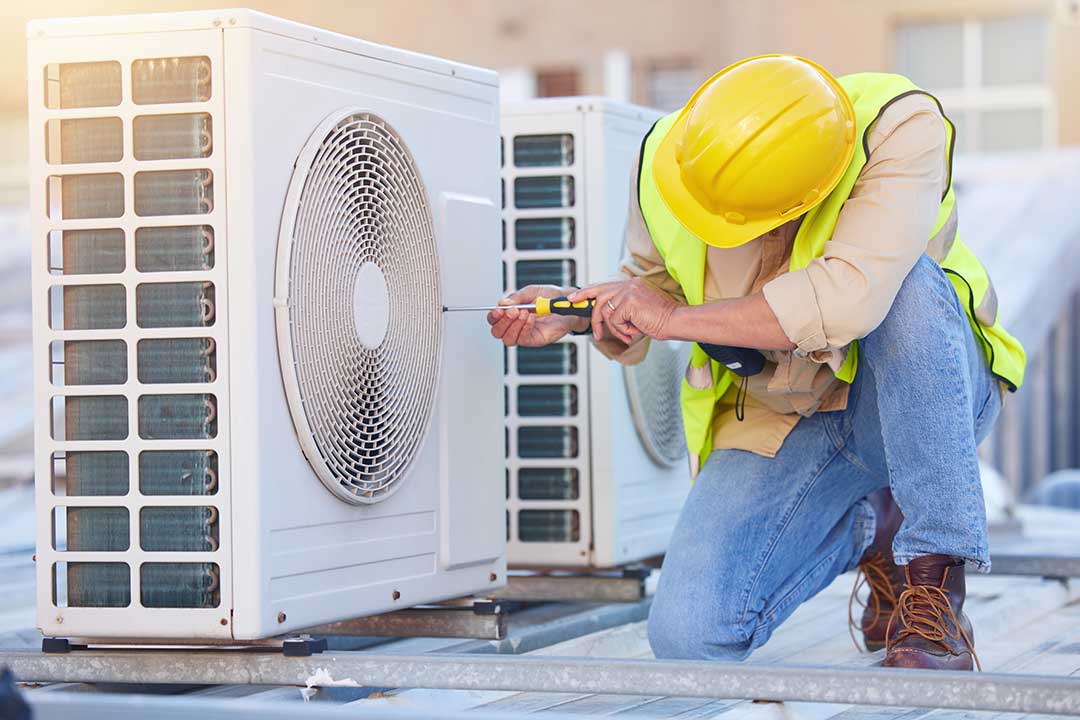
1. Schedule a Professional Evaluation: Insist on a Manual J load calculation from a reputable contractor experienced with Forest Acres homes.
2. Avoid Oversizing: Bigger isn’t better. You want a system that runs long enough cycles to dehumidify and evenly cool (or heat) the whole house.
3. Consider Future Needs: Are you planning renovations, adding solar panels, or finishing the attic? Let your contractor know.
4. Prioritize Energy Efficiency: Evaluate systems with higher SEER (cooling efficiency) and HSPF (heating efficiency) ratings and ensure your ductwork is up to par.
5. Maintain for Longevity: Proper sizing plus regular maintenance keeps your system running efficiently, which is especially important given the high pollen and humidity of Forest Acres.
How the Local Forest Acres Lifestyle Impacts HVAC Sizing
Forest Acres is known for outdoor living, backyard BBQs, and homes that blend indoor/outdoor space. Entertaining guests, opening up sliding doors to patios, and plenty of natural light can all affect indoor temperatures and the load on your HVAC.
Also, Forest Acres’ mix of historic homes and new builds means insulation and construction vary house-to-house. Some homes might benefit from HVAC zoning, ductless systems, or high-efficiency heat pumps to manage different needs room-by-room.
Final Thoughts: Comfort Meets Efficiency
A properly sized HVAC system is an investment in comfort, efficiency, and the value of your Forest Acres home. Don’t settle for a guess or rough estimate—ask for a professional load calculation and take the time to make the right choice. Your goal is a system that quietly does its job, whether you’re relaxing with family, hosting friends, or braving a steamy Carolina afternoon.
With the right system, you can enjoy all Forest Acres has to offer—knowing your home will feel just right, all year long.