

 See My Latest Article on HelloNation

How Does Humidity Influence HVAC Performance?
Humidity levels inside a home directly affect how efficiently an HVAC system operates and how comfortable the indoor environment feels. In Forest Acres, SC, where muggy summers and mild winters are typical, understanding this relationship can help residents maintain both comfort and system reliability.
Most air conditioning systems are designed to manage both temperature and humidity. When indoor humidity is high, the air feels warmer than it actually is, making cooling equipment work harder. Conversely, low humidity in winter can make the air feel cooler, leading heating systems to run longer. This ongoing battle between temperature and moisture can place extra strain on mechanical components, affect energy bills, and even impact indoor air quality.
What Happens to Your HVAC When Humidity Is Too High?
Excess humidity makes air conditioners and heat pumps less effective because it increases the cooling load. Instead of just lowering the air temperature, the system must also remove excess moisture, a process called latent cooling.
Common effects of high humidity on HVAC systems:
- Longer cooling cycles, leading to increased wear and energy use
- Reduced ability to reach desired thermostat settings
- Potential for condensation inside ductwork and on vents, promoting mold and mildew
- Air that feels sticky or clammy even with the system running
In humid climates like Forest Acres, it’s normal for HVAC systems to run longer during the summer, but if indoor humidity stays above 60%, comfort will suffer and system efficiency may decrease.
Does Low Humidity Create HVAC Challenges?
Yes, overly dry air can also impact system operation and household comfort. This is more common in winter, especially when heating systems run frequently. While extremely low humidity is less frequent in Forest Acres, it can still occur on colder days.
Problems linked to low humidity:
- Residents feeling colder than the thermostat setting indicates
- Increased static electricity, which may disrupt electronics and create minor shocks
- Dry skin, irritated respiratory passages, or dehydration
- Cracking or warping of wood floors and furniture
An environment that's too dry may cause thermostats to be set higher, causing unnecessary energy use.
How Can You Tell If Humidity is Affecting Your System?
Signs of poor humidity control are often subtle. Residents in the city should be aware of these indicators:
- Musty odors that persist even after cleaning
- Foggy windows or visible moisture buildup on glass and mirror surfaces
- Uneven cooling or heating between rooms
- Persistent discomfort—air feels sticky or chilly despite accurate temperatures
- Higher than expected electric bills in summer or winter
While these can have multiple causes, they often point to humidity-related issues, especially in older homes or houses with inadequate insulation and air sealing.
Why Does Forest Acres Experience Humidity Extremes?
The local climate plays a big role. Warm air holds more moisture, and the city’s proximity to natural water sources, plus the prevalence of mature landscaping, means ambient outdoor humidity often spills indoors, especially in summer. Many area homes were built before modern moisture control standards, so they may lack effective vapor barriers or properly sized air conditioning.
Conversely, tightly sealed newer homes may "overcorrect," trapping dry, heated air inside during the winter months.
Are There Effective Ways to Manage Humidity Without Overworking Your HVAC?
Managing indoor humidity doesn’t always mean major upgrades or complex equipment. Residents can use these practical strategies:
- Use bathroom and kitchen exhaust fans during and after activities that produce steam
- Ensure attic and crawlspace vents are clear to reduce moisture entry
- Keep gutters and downspouts clean to prevent water pooling near foundations
- Use ceiling fans to circulate air, making spaces feel cooler without lowering the thermostat
- Consider adding a stand-alone dehumidifier in problem zones during humid months
- In winter, use a portable humidifier or keep interior doors open to balance moisture distribution
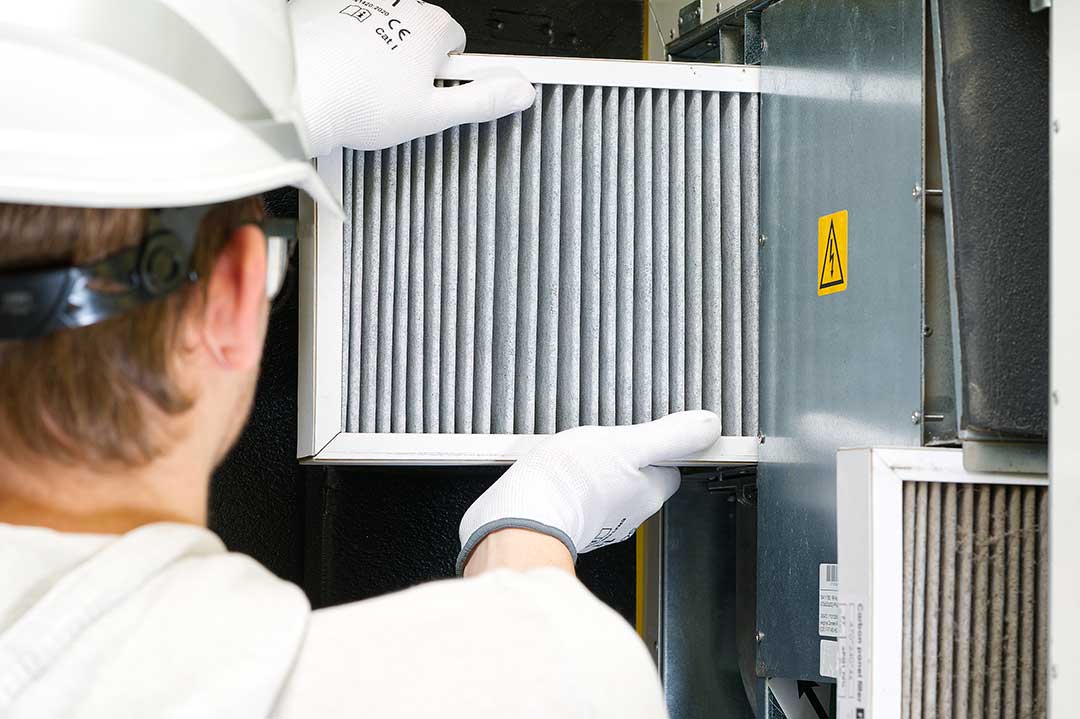
Regularly changing HVAC filters and having air conditioner coils inspected can also improve air flow and moisture removal capability.
What Are Common Misconceptions About Humidity and HVAC?
One widespread myth is that "bigger is better" for air conditioning size. In reality, an oversized system often cools air rapidly but doesn't run long enough to remove sufficient moisture, resulting in a cool but clammy feeling.
Another misconception is that only temperature matters for energy costs. In fact, keeping humidity within the recommended 30-50% range allows thermostats to be set a few degrees higher in summer and lower in winter, saving energy while maintaining comfort.
Some residents also believe new HVAC equipment will automatically resolve humidity problems. However, without addressing underlying insulation, air leaks, or moisture sources, even high-efficiency systems may struggle.
When Does Humidity Become a Health or Safety Concern?
Severe moisture problems can lead to mold growth, which threatens both building structure and respiratory health. Children, elderly adults, and anyone with asthma or allergies are particularly sensitive to mold spores and dust mites, both of which thrive in humid environments.
On the other extreme, air that’s too dry can cause persistent coughing, nosebleeds, and increased susceptibility to respiratory infections—concerns that often surface during the heating season.
If visible mold, chronic dampness, or extreme dryness persist despite practical fixes, it may be worth evaluating the home for sources of water intrusion or insufficient ventilation.
By staying alert to humidity’s effects and making small adjustments when necessary, area homeowners can help their HVAC systems provide year-round comfort while conserving energy and fostering a healthier indoor environment.