

 See My Latest Article on HelloNation
Why Isn’t My Air Conditioner Cooling Properly?
If your air conditioner seems to be running but your home isn’t cooling down, you’re not alone. Many residents in Forest Acres, SC experience this issue during the long, humid summer months. Most causes fall into a few common categories—some are easy to fix, while others may take more investigation. Below, learn what might be happening and what local homeowners can check before seeking outside help.
Could Dirty Air Filters Be the Problem?
A clogged or dirty filter is one of the most frequently overlooked reasons for poor cooling. When filters become blocked with dust, pollen, or pet hair, airflow drops dramatically. Restricted airflow prevents your system from pulling in enough warm air from the house to cool it efficiently.
In Forest Acres, filters may get dirty more quickly in spring and summer due to higher pollen levels and when doors and windows are left open more often.
Quick Check:
- Hold the filter up to a light. If little or no light passes through, it’s time to replace it.
- Most homes do best with filter changes every 1-2 months during peak cooling season.
Ignoring this simple maintenance step can not only reduce comfort but also strain the system, possibly leading to much bigger problems.
Are Thermostat Settings Right for Your Home’s Patterns?
Sometimes, incorrect or confusing thermostat settings prevent effective cooling. Check that the thermostat is set to "cool" (not just "fan" or "auto"), and double-check the temperature. In multi-level homes typical in Forest Acres, make sure the thermostat isn’t placed somewhere warmer or cooler than the main living spaces.
Programmable thermostats sometimes revert to previous schedules or may be accidentally set far above the desired temperature. Power outages during thunderstorms—a common occurrence locally—can cause thermostat clocks or settings to reset.
Does Your System Have Enough Refrigerant?
Air conditioners rely on refrigerant to remove heat from the air. Over time, small leaks can develop, causing the level to drop. When refrigerant is low, the system may run continuously without getting your house cool. In the humid climate of Forest Acres, frozen coils or puddles near the outdoor unit can signal this problem.
While adding refrigerant is not a safe DIY task due to environmental and equipment risks, local residents can sometimes spot symptoms such as:
- Warm air blowing from vents when the system is running
- Ice buildup on the outdoor or indoor unit
If these appear, it’s usually necessary to have a licensed technician identify and repair the leak, since federal law requires HVAC professionals to handle refrigerant safely.
Is Heat Getting Into Your House Faster Than It’s Being Removed?
Sometimes the problem isn’t with the unit—it's with the home environment. Forest Acres homes often experience significant heat gain due to sun exposure, especially in attics, FROG rooms, or large south-facing windows. Even a perfectly working air conditioner can struggle if:
- Doors or windows are left open or are poorly sealed
- Blinds and curtains are left open during peak sunlight
- Attic insulation or weather stripping is lacking

During hot spells with high humidity, AC systems may run longer than usual just to keep up. Blocking the sun with curtains or shades, adding weather stripping, or using ceiling fans can make a big difference.
Could the Unit Be the Wrong Size for the Home?
If your air conditioner is too small, it will run constantly but never reach the target temperature. If it’s too large, it cools the air rapidly without running long enough to dehumidify, leaving the house feeling clammy—an issue local families often notice on humid summer days.
Proper sizing takes into account square footage, ceiling height, window quality, and home orientation. Forest Acres has a mix of home styles, so what may have worked in one house could be unsuitable for another—especially if additions or renovations have changed the home’s footprint.
When Was the Last Time the Coils Were Cleaned?
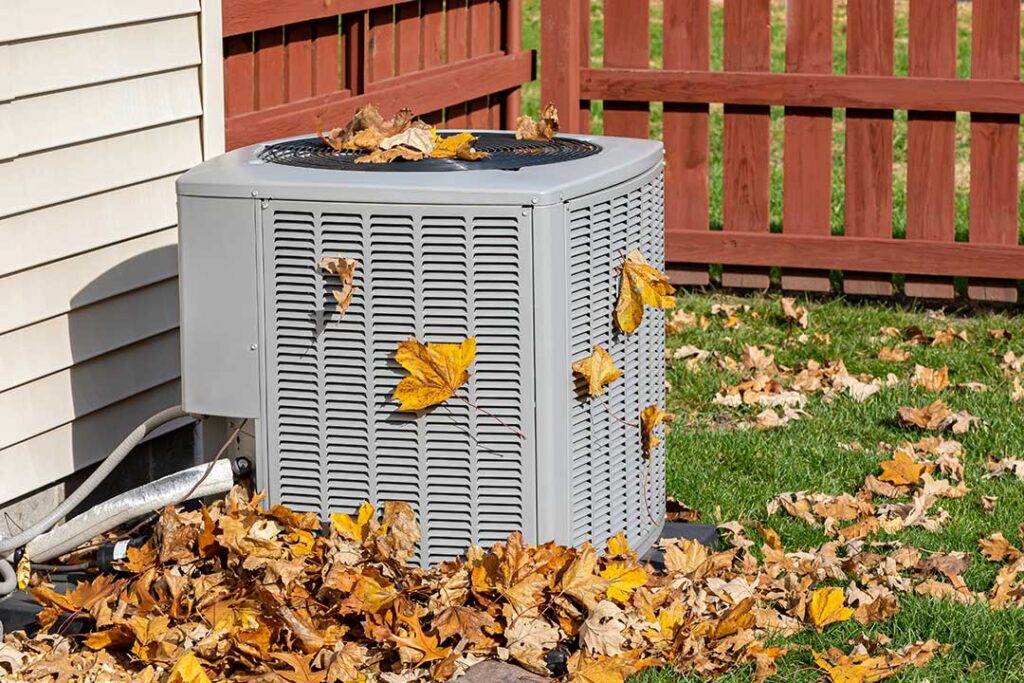
Both the inside "evaporator" coil (usually attached to your furnace or air handler) and the outside "condenser" coil can build up dirt and debris. In the wooded neighborhoods and tree-lined streets of Forest Acres, outdoor coils may be clogged with leaves, pine needles, or grass clippings.
Dirty coils reduce efficiency by creating an insulating layer that blocks heat transfer. Residents can gently rinse outdoor coils with a garden hose (with the power off), but tougher buildup or damage requires cautious cleaning to avoid bending fins.
Are Vents and Registers Blocked Inside the House?
Furniture, rugs, or long curtains placed over supply or return vents restrict airflow and reduce system effectiveness. In the compact layouts common in some Forest Acres homes, vents may be accidentally covered after moving furniture or for seasonal rearrangement.
Walk through your home to make sure each vent is open and unblocked. Even partially blocked vents can create hot spots or reduce overall cooling performance.
Is the System Running But Airflow Feels Weak?
If air is coming through the registers, but not much of it, duct issues might be to blame. Ductwork in crawl spaces or attics—prevalent in older Forest Acres homes—can develop leaks, collapse, or become disconnected over time. This means cooled air isn’t making it to your living space, even though the blower is working.
Sometimes flexible ducting can be repaired or reattached, but larger leaks or damaged ducts might require professional evaluation for safety and efficiency.
What If None of These Fixes Work?
If the basic checks above don’t solve the problem, or if you notice electrical smells, constant tripped breakers, or water leaking from indoor components, it’s safest to turn off the system and reach out to an HVAC professional. High voltage, refrigerant handling, and major mechanical repairs are not safe for DIY troubleshooting. The safety of everyone at home—especially children and older adults who are most vulnerable to heat—is always the top priority.