

 See My Latest Article on HelloNation
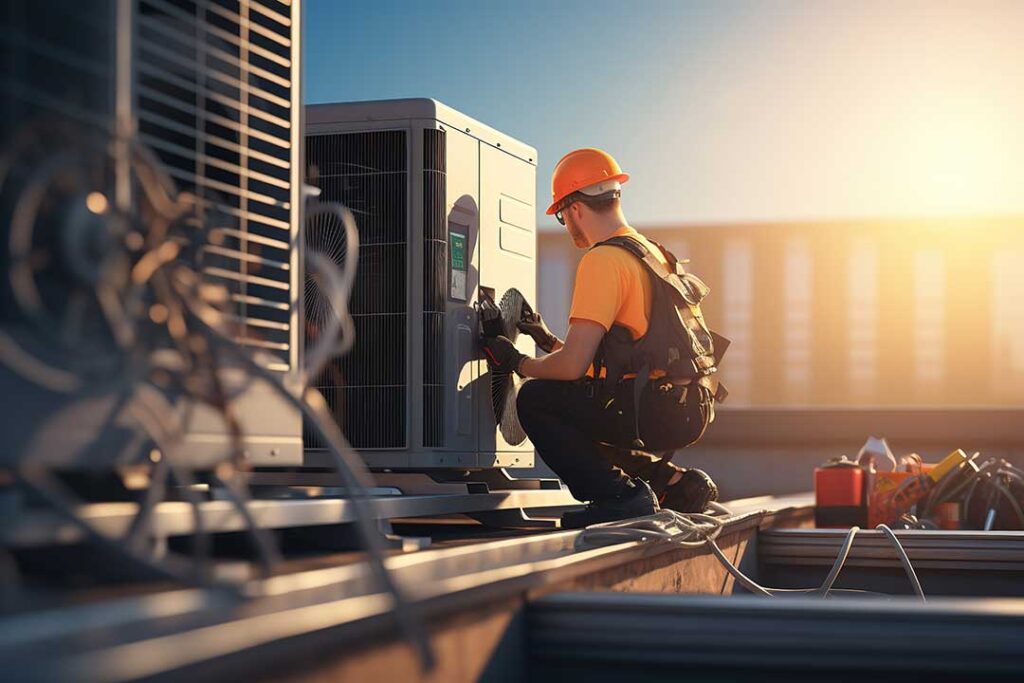
Why HVAC Equipment Can Be a Pet Safety Concern
Pets usually encounter HVAC equipment in ordinary household spaces: beside a fence, near a return grille, in a utility closet, or under a deck. Most systems operate safely, but curious animals can be injured by moving parts, electrical components, hot surfaces, refrigerant lines, or blocked airflow.
In Forest Acres, SC, hot, humid summers mean air-conditioning equipment may run for long periods. Mild winters can still bring freezing temperatures, so heating systems also require attention. A few simple habits can reduce risks without restricting normal use of the equipment.
How can pets be kept away from outdoor air-conditioning units?
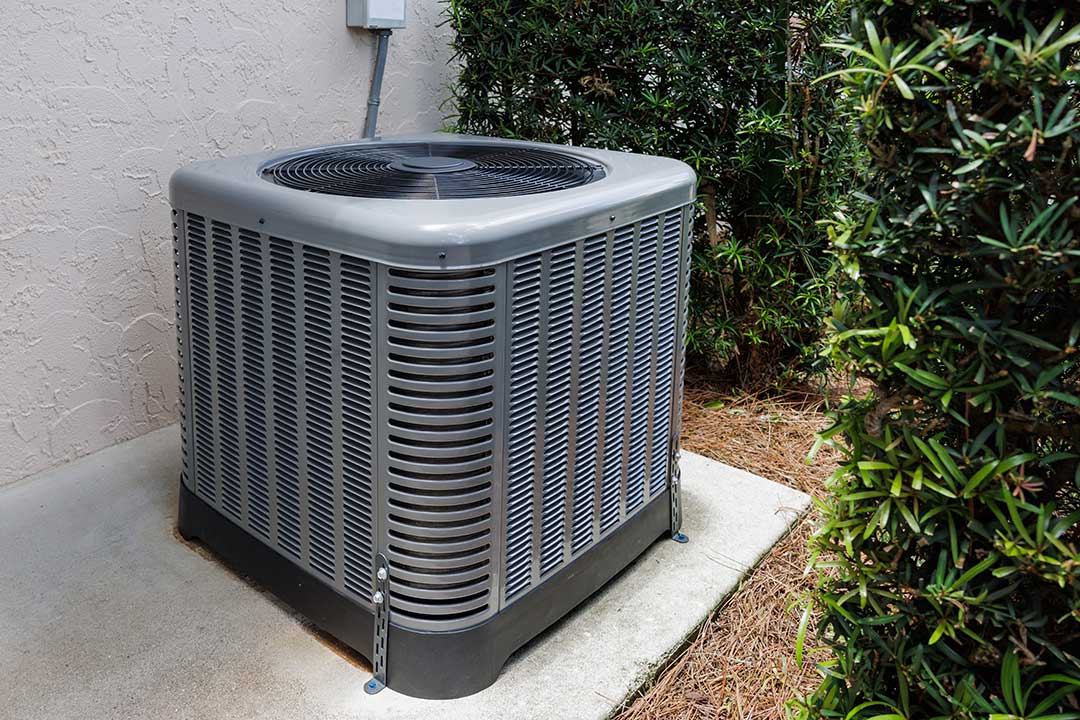
The outdoor condenser should remain inaccessible to chewing, digging, climbing, and urination. A properly placed barrier can help, but it should not block the unit’s airflow or make maintenance access difficult.
Use a pet-safe enclosure or fence with enough clearance around all sides. The barrier should:
- Prevent a dog from reaching the fan grille
- Discourage digging beneath the unit
- Allow air to move freely
- Keep leaves, toys, and loose debris from collecting around the equipment
- Leave a convenient access area for inspection and maintenance
Avoid covering the condenser while it is operating. Do not place storage bins, planters, firewood, furniture, or pet shelters against it. Restricted airflow can cause the system to overheat, run inefficiently, or shut down.
A dog’s urine can also damage metal components and electrical connections over time. Redirecting pet traffic away from the unit is safer than relying on frequent rinsing, especially because spraying water into electrical equipment can create an additional hazard.
Can pets be harmed by the outdoor condenser fan?
Yes. The fan inside an outdoor condenser can cause serious injury if a pet reaches through the grille while the equipment is running. Even when the fan is not operating, the system may start automatically in response to indoor temperature.
Pets should never be allowed to climb on, paw at, or chew the condenser. Children and animals should also be kept away during cleaning or repair. A noise, vibration, or small animal near the equipment may attract a curious pet, but opening panels or placing hands near the fan is unsafe.
If a pet has damaged wiring, pulled away a panel, or appears to have been shocked, turn off power only if it can be done safely without touching damaged components. Keep people and animals away from the area and seek urgent veterinary guidance for signs such as burns, weakness, breathing difficulty, collapse, or abnormal behavior.
What should be done about pets in HVAC closets and mechanical rooms?
Utility closets can contain furnaces, air handlers, electrical disconnects, drain pans, filters, and gas or refrigerant-related components. These spaces should not be used as sleeping areas, hiding places, or storage rooms for pet supplies.
Keep the door closed or use a secure latch that pets cannot defeat. Do not store food, litter, toys, bedding, cleaning chemicals, or cardboard near the equipment. A frightened cat may hide behind an air handler, while a puppy may chew insulation or wiring.
Never block the service clearance around the system. Crowded equipment areas are harder to inspect and may create fire, electrical, or ventilation concerns. If a pet repeatedly tries to enter the space, identify what is attracting it. Warmth, airflow, sounds, or a small opening may signal a problem that needs attention.
Are furnace and carbon monoxide concerns different for pets?
They can be. Carbon monoxide is an odorless, colorless gas that may be produced when fuel-burning equipment is malfunctioning, improperly vented, or not receiving adequate combustion air. Pets may show symptoms before people recognize a problem, although their symptoms can resemble other illnesses.
Possible warning signs include:
- Unusual weakness or sleepiness
- Vomiting
- Difficulty walking
- Confusion or unusual behavior
- Trouble breathing
- Collapse or seizures
Carbon monoxide alarms should be installed according to the manufacturer’s instructions, especially near sleeping areas and on each level where recommended by local safety guidance. Alarms should not be placed directly beside a furnace, vent, or return grille unless the instructions specifically allow it.
If a carbon monoxide alarm sounds, or if both people and pets develop sudden unexplained symptoms, leave the building immediately and move to fresh air. Call emergency services from outside. Do not re-enter until the property has been declared safe. An affected pet needs prompt veterinary evaluation, even if it appears to improve outdoors.
How can pet hair and dander affect HVAC safety?
Pet hair does not usually create an immediate danger by itself, but heavy accumulation can reduce airflow and increase strain on the system. Hair and dander can collect on filters, return grilles, blower components, and outdoor coils.
Check the filter regularly, especially during periods of heavy heating or cooling. Replace it according to its condition and the equipment instructions rather than waiting until it is visibly packed with dust. Homes with multiple pets, long-haired animals, or frequent shedding may need more frequent checks.
Keep litter boxes, bedding, and feeding areas away from return grilles. Fine litter particles can enter the airflow, while loose bedding can obstruct vents. Vacuuming around grilles is useful, but do not remove covers or reach into ducts unless the system is shut off and the work can be performed safely.
A clogged filter can contribute to weak airflow, frozen cooling coils, overheating, or unexpected shutdowns. If a pet’s bedding or toy is blocking a vent, move it rather than closing the vent. Closing multiple supply vents can also interfere with system balance.
Is it safe for pets to lie near supply vents?
Warm or cool air may be comfortable, but pets should not be allowed to block vents with their bodies, beds, or blankets. A blocked supply register can reduce airflow into the room and alter pressure within the duct system.
Do not place a crate directly over a floor vent or position a pet bed against a wall-mounted register. For older pets or animals with breathing problems, avoid exposing them to strong, continuous airflow. The goal is steady room comfort, not a concentrated stream of hot or cold air.
During very hot weather, pets need more than an operating air conditioner. Provide fresh water, shade, and a cool indoor area. Never assume that a house will remain safe if the power fails or the HVAC system stops during an extended heat event.
What should pet owners check after storms?
Thunderstorms, heavy rain, fallen branches, and power interruptions can affect outdoor HVAC equipment. After severe weather, look for flooding, damaged panels, exposed wiring, displaced covers, unusual odors, or debris inside the condenser.
Keep pets indoors or on a leash while inspecting the yard. Do not allow animals to investigate standing water near electrical equipment. If the unit has been submerged, visibly damaged, or is making unusual sounds, leave it off and keep the area restricted until it has been evaluated safely.
For households in Forest Acres, summer storms and heavy humidity make outdoor equipment checks especially useful before allowing pets back into the yard. A damaged enclosure, loose wire, or fallen branch can create risks that are not obvious from a distance.
Which HVAC habits are safest for pets?
The most reliable routine is simple: restrict access, preserve airflow, keep equipment clean, and respond quickly to unusual conditions.
Pet owners should:
- Keep outdoor units free of toys, leaves, mulch, and pet waste
- Secure mechanical-room and utility-closet doors
- Maintain clear space around indoor and outdoor equipment
- Check filters and vents regularly
- Install and test carbon monoxide alarms
- Keep pets away from damaged or flooded equipment
- Avoid using HVAC areas for storage
- Watch for unusual system noises, odors, leaks, or sudden temperature changes
If a pet is burned, shocked, exposed to refrigerant, injured by a moving component, or showing possible carbon monoxide symptoms, treat the situation as urgent. Move the animal away from the hazard without putting people at additional risk, then contact emergency veterinary services or emergency responders as appropriate.