

 See My Latest Article on HelloNation

What Does SEER Mean for Home Cooling?
SEER stands for Seasonal Energy Efficiency Ratio and is used to measure the energy efficiency of central air conditioners and heat pumps during the cooling season. It tells area households how much cooling a system provides relative to the electricity it uses over an average summer.
A higher SEER value indicates greater efficiency, meaning the system can deliver the same amount of cooling using less electricity. For families in Forest Acres, this number can help estimate potential electricity use and guide decisions about replacing or upgrading an HVAC system.
How Are SEER Ratings Determined?
SEER is calculated by dividing the total cooling output of an air conditioner (measured in British Thermal Units, or BTUs) by the total electrical energy consumed (in watt-hours) over a typical cooling season. Ratings are tested under controlled conditions meant to simulate an average national cooling season—not just the climate in Forest Acres.
- Older units may have SEER ratings below 10.
- Newer systems start at a minimum federal standard of 14 SEER (as of 2023).
- High-efficiency models can reach SEER ratings above 20.
Local climate and usage patterns in the city can mean the real-world efficiency might feel slightly different, but the rating remains the simplest way to compare different systems.
Does a Higher SEER Always Save More Money?
Higher SEER systems consume less electricity for the same amount of cooling, which can lower monthly utility bills, especially during the hottest months. However, payback depends on several factors:
- Initial cost: High-SEER equipment can cost significantly more upfront.
- Daily runtime: Homes running air conditioning for longer periods—such as the many households in Forest Acres during warm, humid summers—see more benefit from efficient units.
- Existing home insulation: Well-insulated homes can realize better savings because less cool air escapes.
- Electric rates: Savings grow as local electricity costs rise.
Upgrading from an old 8 SEER unit to a new 16 SEER could potentially halve cooling energy use, but moving from 16 to 20 SEER yields smaller percentage gains for a much larger initial investment.
How Relevant Are SEER Ratings in Forest Acres?
The humid subtropical climate here means cooling is in high demand from spring through early fall. Local residents often wonder if the efficiency difference is noticeable given long cooling seasons.
- Frequent air conditioning use amplifies the savings from efficient systems.
- High humidity can make systems run longer, further highlighting efficiency differences.
- Many homes in the city have aging ductwork or insulation, affecting whole-house efficiency. Choosing the right SEER level may matter even more if HVAC performance is a concern.
While extremely high SEER units are most popular in desert regions, Forest Acres homeowners commonly benefit from modern mid-to-high efficiency units (e.g., 14–18 SEER), depending on their specific usage patterns and budget.
Is SEER the Only Efficiency Factor That Matters?
SEER is critical, but not the lone factor affecting real-world cooling energy use:
- Proper sizing: An oversize or undersize system, even if high-SEER, wastes energy and may not control humidity well.
- Duct condition: Leaks or blockages in ductwork reduce delivered cooling efficiency.
- Maintenance: Dirty filters, clogged coils, or neglected annual checkups can reduce equipment performance, regardless of SEER rating.
- Household behavior: Setting thermostats appropriately and using ceiling fans can enhance comfort and reduce the need for constant A/C operation.
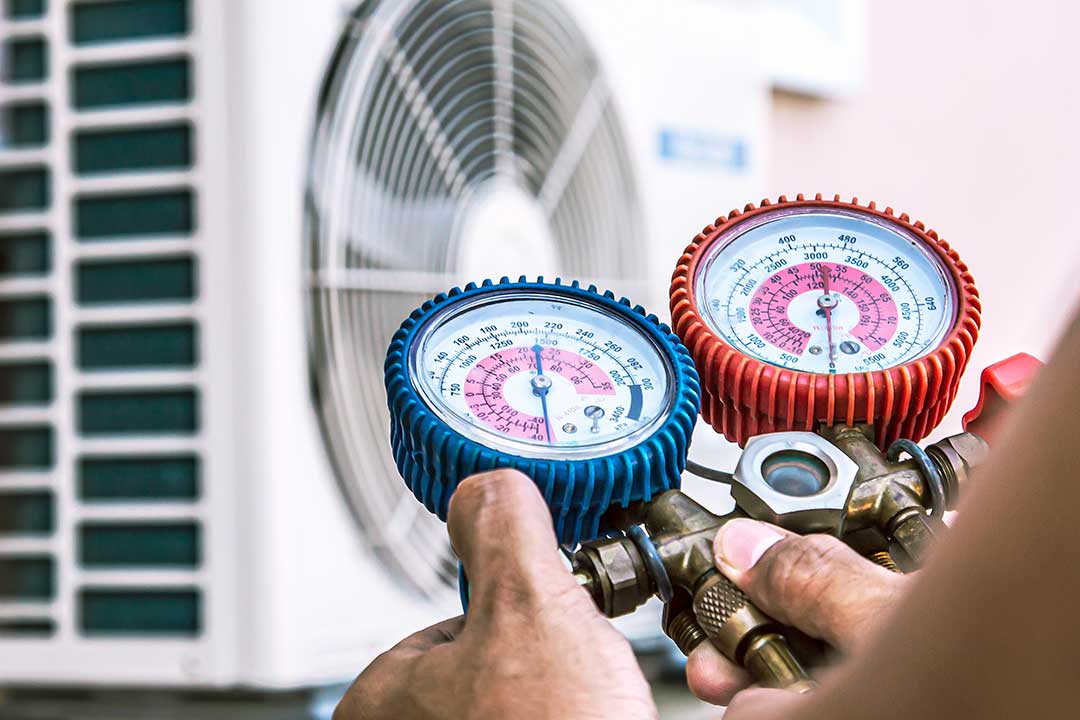
Owners sometimes assume a higher SEER rating alone fixes cooling costs, but supporting factors often play a large role in day-to-day efficiency.
Common Misconceptions About SEER Ratings
Some prevailing myths can lead to frustration or wasted money:
- Myth: “A bigger SEER number always means lower bills.”
*Truth:* Returns diminish as the rating goes higher and may not justify the initial cost for every household.
- Myth: “If a system is rated for 18 SEER, it always operates at that efficiency.”
*Truth:* Real-world conditions (including installation, home insulation, and how the system is used) often mean actual performance is slightly lower.
- Myth: “SEER only matters in hot regions.”
*Truth:* Efficiency matters anywhere central air is used often, such as during the extended warm and humid periods in Forest Acres.
Practical Tips for Residents Deciding on an HVAC System
When the time comes to choose or upgrade cooling equipment, keep these practical points in mind:
- Review past electricity bills to estimate how much potential savings matter for your household.
- Decide if immediate savings or a longer investment makes more sense based on how long you’ll stay in your current home.
- Make sure any equipment considered meets at least the current minimum efficiency standard (no less than 14 SEER).
- Pay attention to the entire home system, including insulation and ductwork, not just the unit’s SEER rating.
- Regularly changing filters and scheduling maintenance will ensure the unit, regardless of SEER, continues to perform efficiently.
Thorough understanding of SEER ratings allows local residents to make informed decisions, balancing budget and comfort for Forest Acres homes.