

 See My Latest Article on HelloNation
Heating and cooling systems generally benefit from professional maintenance twice a year: once in spring before heavy air-conditioning use and once in fall before the heating season. This schedule fits the long, humid cooling season common in Forest Acres, SC, where air conditioners may operate for much of the year and indoor humidity can add to system strain.
The exact schedule depends on the equipment, the age of the system, indoor air quality needs, and how heavily the system operates. Regular maintenance is different from repair work: maintenance is planned attention intended to reduce wear, preserve safe operation, and identify developing problems before they become disruptive.
How often should an HVAC system be serviced?
For most households, maintenance every six months is a reasonable starting point. A spring visit focuses on cooling performance, while a fall visit focuses on heating operation and safety.
A twice-yearly schedule is especially useful for homes with:
- A heat pump that provides both heating and cooling
- Older heating or cooling equipment
- Pets, smokers, or residents with allergies
- High indoor humidity
- Heavy system use
- Recent repairs or recurring performance problems
- Dust, construction activity, or unusually restrictive air filters
A traditional system with a separate air conditioner and furnace may still need two seasonal inspections, even though each piece of equipment operates during a different part of the year. A heat pump usually benefits from especially consistent attention because it runs in both seasons and changes operating mode throughout the year.
Is annual HVAC maintenance enough?
Annual maintenance may be adequate for some newer systems that receive light use and have no recurring problems. However, one yearly visit can leave a long gap before a seasonal issue is discovered.
For example, a cooling problem found in October may have developed during the summer but remain unnoticed because the equipment was no longer running frequently. Likewise, a heating issue discovered in January may have been detectable during a fall inspection.
Annual service may be less suitable when:
- The system is more than 10 years old
- Cooling runs for long periods
- The home has poor airflow or uneven temperatures
- Utility costs have increased without a clear explanation
- The system frequently cycles on and off
- The household depends on the equipment for residents who are elderly, very young, or medically vulnerable
Maintenance frequency should reflect operating conditions rather than age alone. A newer system exposed to heavy use, clogged filters, or poor drainage may need more attention than an older system that runs lightly in a well-maintained home.
Why does the local climate affect maintenance timing?
Warm, humid conditions place sustained demand on air-conditioning equipment. In Forest Acres, long cooling periods can affect filters, condensate drains, outdoor coils, electrical components, and indoor humidity control.
Humidity also matters because an air conditioner does more than lower temperature. As indoor air passes over the evaporator coil, moisture condenses and drains away. If the drain becomes restricted, water may collect near the indoor unit, create odors, damage nearby materials, or contribute to biological growth.
Spring maintenance is useful because it gives the system attention before the most demanding cooling conditions arrive. Fall maintenance is valuable for heating equipment, but it can also reveal issues with airflow, electrical connections, controls, and general system condition that affect year-round performance.
What does routine HVAC maintenance include?
A proper maintenance visit should involve inspection, cleaning, testing, and adjustment rather than a quick visual glance. The specific tasks vary by system, but commonly include:
- Checking and replacing filters when needed
- Inspecting electrical connections and system controls
- Measuring operating temperatures and airflow
- Examining refrigerant-related components on air-conditioning and heat-pump systems
- Cleaning accessible coils and outdoor equipment
- Inspecting condensate pans and drain lines
- Checking blower operation and motor condition
- Examining duct connections and visible insulation
- Testing heating controls and safety devices
- Checking combustion-related components on fuel-burning equipment
- Reviewing unusual sounds, odors, cycling, or comfort complaints
Maintenance should also account for the home itself. A system may be operating within normal limits while the household still experiences hot rooms, excessive humidity, or poor air quality because of duct leakage, insulation gaps, filtration problems, or inadequate ventilation.
Can homeowners perform HVAC maintenance themselves?
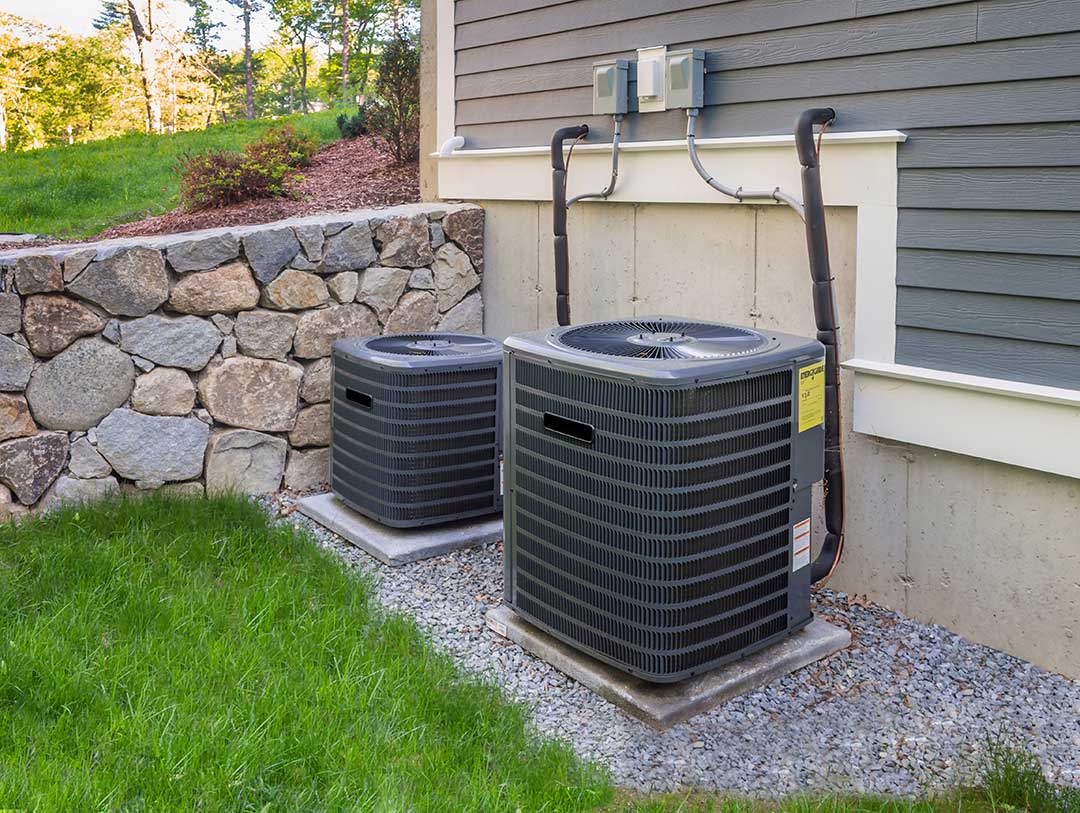
Homeowners can handle several basic tasks, but certain inspections require specialized tools and safety knowledge. Simple upkeep includes replacing or cleaning the filter according to its design, keeping leaves and debris away from the outdoor unit, maintaining clear space around supply and return vents, and checking for visible water near the indoor equipment.
A filter should not be changed only on a fixed calendar if it becomes dirty sooner. Homes with pets, frequent cooking, renovation dust, or high occupancy may require more frequent replacement. A filter that is too restrictive can also reduce airflow, so the correct size and rating matter.
Homeowners should avoid opening electrical panels, handling refrigerant, bypassing safety controls, or working around fuel-burning equipment without appropriate qualifications. These tasks can create shock, fire, chemical, or carbon monoxide hazards.
What are signs that maintenance is overdue?
A system may need attention before the next planned seasonal visit if it shows changes in performance or operation. Warning signs include:
- Weak airflow from several vents
- Rooms that remain noticeably warmer or cooler
- Frequent short cycling
- New rattling, grinding, buzzing, or squealing sounds
- Musty odors that return after filter replacement
- Water around the indoor unit
- Unexplained increases in energy use
- Ice on refrigerant lines or the outdoor coil
- Difficulty starting or maintaining the selected temperature
These symptoms do not identify one specific cause. A dirty filter, blocked drain, failing component, duct problem, refrigerant issue, or thermostat fault can produce similar signs. A system that stops working, emits a burning odor, leaks water near electrical equipment, or triggers a carbon monoxide alarm should be turned off when safe and evaluated promptly.
Does maintenance extend equipment life?
Maintenance can reduce avoidable stress, but it cannot prevent every failure or guarantee a specific service life. Cleaning coils, preserving airflow, checking electrical components, and addressing drainage problems may help equipment operate under less strain.
Maintenance also provides information for planning. An inspection may reveal corrosion, declining electrical components, repeated refrigerant loss, or a heat exchanger concern. Knowing about these conditions early can be more useful than discovering them during an extreme temperature event.
A well-maintained system can still reach the point where replacement is more practical than repair. Age, repair history, efficiency, comfort, parts availability, and safety should all be considered rather than relying on age alone.
What schedule works best for a typical household?
For many homes, the following approach is practical:
- Early spring: Prepare cooling equipment, inspect drainage, and address airflow or humidity concerns.
- Mid-to-late fall: Check heating operation, controls, safety components, and airflow before colder weather.
- Monthly or as needed: Inspect the filter and replace it when dirty.
- Any time symptoms appear: Investigate unusual noises, odors, leaks, comfort changes, or repeated cycling rather than waiting for the next seasonal visit.
The most useful schedule is one that matches the equipment and household. A lightly used newer system may require less frequent attention, while a heavily used heat pump, older system, or home with persistent humidity and air-quality concerns may benefit from more frequent monitoring.