

 See My Latest Article on HelloNation

Strange HVAC noises are often early clues that a system needs attention. A brief click during startup may be normal, but grinding, rattling, screeching, buzzing, or repeated banging can point to loose parts, airflow problems, electrical faults, or mechanical wear.
In Forest Acres, SC, heating and cooling equipment works through long periods of hot, humid weather and may cycle frequently during seasonal changes. That combination can make unusual sounds more noticeable, especially in homes with older ductwork, attic equipment, or outdoor units exposed to leaves and storms.
What does a normal HVAC sound like?
A normally operating system may produce a soft hum, a brief click when starting or stopping, airflow through supply registers, and a short whoosh when the blower begins. The outdoor unit may also create a steady fan sound and low compressor hum.
Normal sounds should generally be consistent. A new sound, a louder-than-usual sound, or a noise that changes with airflow or temperature deserves closer attention.
The timing of the noise can provide useful information:
- A sound during startup may involve the motor, relay, capacitor, or blower.
- A sound that continues during operation may involve airflow, bearings, ductwork, or refrigerant movement.
- A sound that occurs only when the system shuts down may come from expanding or contracting metal, a loose panel, or a pressure change.
- A sound from the vents may originate in the duct system rather than the indoor unit.
Why is the HVAC system making a rattling or banging noise?
Rattling usually comes from something loose. A service panel, grille, screw, piece of insulation, or section of ductwork may vibrate when the blower or outdoor fan operates.
Banging can be more concerning when it occurs at startup. In an indoor furnace or air handler, the sound may result from a loose blower wheel, a damaged motor mount, or debris inside the blower compartment. In some heating systems, delayed ignition can create a small bang as accumulated gas ignites, which requires prompt attention because combustion problems can be hazardous.
Outdoor rattling may come from twigs, leaves, or other debris caught in the fan guard. The unit should be turned off before looking near the outdoor fan. Never reach through the grille or remove electrical covers without proper training.
A simple visual check can identify an obviously loose exterior panel, but repeated banging or a noise inside the equipment should not be ignored.
What causes a high-pitched squealing or screeching sound?
A squeal or screech often indicates friction or a slipping component. Common causes include worn motor bearings, a failing blower motor, a loose belt in older equipment, or inadequate lubrication where lubrication is applicable.
High-pitched noise can also come from excessive airflow resistance. A severely dirty filter, blocked return grille, closed supply registers, or restricted ductwork may cause the blower to work harder and produce a sharper sound.
Filter replacement is a reasonable first check, provided the correct filter size and type are used. A filter that is too restrictive for the equipment can create its own airflow problem. If the noise remains after airflow obstructions are addressed, continued operation may increase wear on the motor.
Why does the system buzz or hum loudly?
A low hum is common, but a loud buzz can signal an electrical or motor-related problem. Possible causes include a failing capacitor, a contactor that is vibrating, a loose electrical connection, or a compressor or fan motor struggling to start.
A buzzing outdoor unit that does not start, starts slowly, or repeatedly shuts off is a warning sign. The system should be switched off at the thermostat if the noise is accompanied by a burning odor, smoke, visible sparking, or repeated tripping of a circuit breaker.
Electrical components can retain dangerous voltage even after the system is turned off. Removing access panels or testing components is not a safe do-it-yourself task.
What does a hissing sound mean?
A hissing noise may come from air escaping through a gap in ductwork, a loose register, or a poorly sealed connection. In that case, the sound often changes when the blower speed changes and may be easiest to hear near the attic, crawlspace, or mechanical closet.
A steady hiss near the indoor or outdoor equipment can also indicate refrigerant movement through a restriction or a leak. A refrigerant leak may be associated with weak cooling, ice on the indoor coil or refrigerant line, longer run times, or unusual moisture around the equipment.
Refrigerant handling is regulated and requires specialized equipment. Adding refrigerant without finding the cause can temporarily mask the problem while allowing performance and equipment damage to worsen.
Why is there a clicking noise?
A single click at startup or shutdown is usually part of normal operation. Repeated clicking, however, may indicate that a relay, thermostat, control board, capacitor, or other electrical component is failing.
If the system clicks several times but the fan or compressor does not start, avoid repeatedly turning the thermostat on and off. Short cycling attempts can place additional stress on motors and electrical components.
Clicking can also come from a loose metal panel expanding and contracting as temperatures change. This is usually less urgent, but the pattern matters. A quiet occasional tick is different from rapid clicking paired with a failure to heat or cool.
What causes popping or cracking sounds in ductwork?
Metal ductwork can pop or crack as it expands when warm air enters or contracts as it cools. This is common in attic ducts and sheet-metal plenums, especially during rapid temperature changes.
Some popping is harmless, but repeated or forceful noises can indicate excessive air pressure. A dirty filter, undersized return duct, closed registers, or restricted grille may cause pressure to build in the duct system.
The home’s layout can contribute to the problem. Doors closed over rooms with weak return-air pathways may increase pressure and create noise at nearby registers. Keeping return grilles unobstructed and avoiding unnecessary closure of supply registers can help airflow remain balanced.
Can outdoor weather cause HVAC noises?
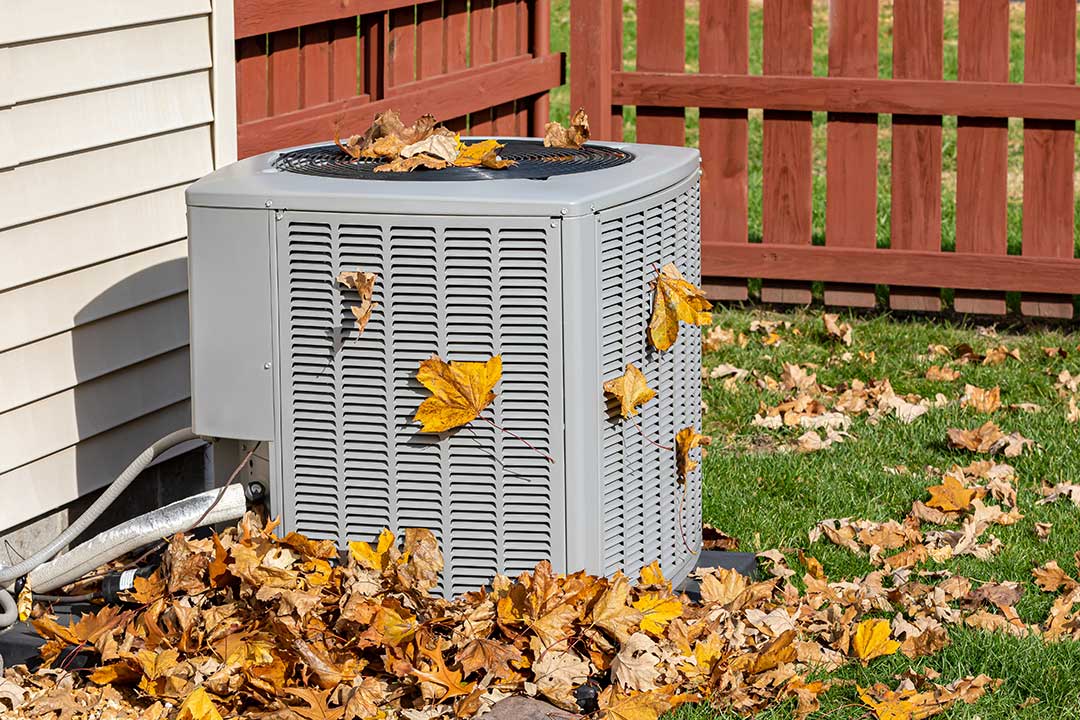
Yes. Wind, heavy rain, falling branches, leaves, and humidity can affect outdoor equipment. Debris may contact the fan blade, while water can make loose panels or protective grilles vibrate.
Hot, humid conditions also increase cooling demand. A system running for many hours may reveal sounds that are not noticeable during mild weather. Frequent cycling can expose worn bearings, loose hardware, or marginal electrical components.
After a severe storm, inspect the outdoor unit from a safe distance for visible debris, bent grilles, standing water, or damage. Do not operate equipment that has been submerged or visibly damaged.
Which HVAC noises require immediate action?
Turn the system off and treat the situation as urgent if there is:
- A burning or melting odor
- Smoke, sparks, or visible electrical damage
- Repeated circuit-breaker trips
- A loud bang associated with heating startup
- Grinding or metal-on-metal sounds
- A refrigerant-like hissing sound with poor cooling or ice
- Water leaking near electrical components
- A carbon monoxide alarm or symptoms such as headache, dizziness, nausea, or unusual fatigue when a fuel-burning appliance operates
For suspected combustion or carbon monoxide problems, leave the area and follow local emergency guidance. Do not restart the equipment until the hazard has been evaluated.
What can residents safely check?
Safe first steps include replacing a heavily loaded filter, confirming that supply and return grilles are open, removing visible leaves from around the outdoor unit, and checking whether a loose exterior panel is visibly vibrating.
Record when the sound occurs, where it seems loudest, and whether heating, cooling, airflow, or startup is affected. This information can help identify whether the likely source is the blower, ductwork, outdoor unit, or electrical controls.
Avoid opening electrical compartments, reaching into fan assemblies, handling refrigerant lines, or attempting to repair combustion components. Strange noises are easier and less costly to address when investigated before a motor, compressor, or control system fails completely.