

 See My Latest Article on HelloNation
What does a dirty air filter do to an HVAC system?
A dirty air filter restricts the amount of air moving through a heating and cooling system. That restriction can reduce comfort, increase energy use, strain equipment, and contribute to problems such as frozen cooling coils or overheating furnace components.
An air filter is designed to catch dust, lint, pollen, pet hair, and other airborne particles before they enter the indoor unit. As debris accumulates, the filter becomes harder for the blower fan to pull air through. The system may continue running, but it has to work under less favorable conditions.
For households in Forest Acres, SC, this issue can become more noticeable during long periods of air-conditioning use. Warm, humid weather often means the system operates for extended cycles, giving a restricted filter more opportunity to affect performance.
How can a dirty filter affect indoor comfort?
The most common result is uneven or reduced airflow. Rooms may take longer to reach the thermostat setting, and some areas may feel warmer or cooler than others.
You may notice:
- Weak airflow from supply registers
- Longer cooling or heating cycles
- More frequent cycling on and off
- Rooms that never seem to reach the desired temperature
- Increased dust around registers or on furniture
- A system that sounds louder than usual
A filter does not usually become the only cause of every comfort problem. Duct leaks, blocked registers, poor insulation, thermostat issues, and equipment problems can produce similar symptoms. However, checking the filter is a sensible first step because it is accessible and often overlooked.
Does a dirty air filter increase energy use?
Yes. A restricted filter can increase the energy required to move air through the system. The blower motor may run longer or work harder, while the heating or cooling equipment may operate for extended periods to compensate for reduced airflow.
The exact increase depends on the filter’s condition, the system design, the blower motor, ductwork, thermostat settings, and weather. A slightly dusty filter may have little effect, while a heavily loaded filter can create a significant airflow restriction.
In Forest Acres, summer cooling demand can make this especially relevant. Air conditioners must remove both heat and humidity from indoor air. If airflow is reduced, the system may struggle to distribute conditioned air and maintain a comfortable indoor environment.
Can a dirty filter damage an air conditioner?
A severely restricted filter can contribute to air-conditioner problems. Reduced airflow across the indoor coil may allow the coil to become too cold and freeze. Ice on the coil can block airflow even further and may eventually lead to water leaks when the ice melts.
Possible warning signs include:
- Ice visible on the indoor coil or refrigerant line
- Water near the indoor unit
- Airflow that becomes weaker over time
- The system running continuously without cooling the home
- A musty smell after the system shuts off
If ice is present, changing the filter may help prevent additional restriction, but the system should not continue operating in a frozen condition. Turning off cooling while allowing the fan to run may help thaw the coil, depending on the equipment and circumstances. Repeated freezing indicates that another issue may also be present, such as low refrigerant, a blower problem, a blocked return, or a drainage concern.
Can a dirty filter damage a furnace or heat pump?
Restricted airflow can also create problems during heating. In a furnace, insufficient airflow may cause the heat exchanger or other internal components to become excessively hot. Safety controls are designed to shut the system down if temperatures rise too far, but repeated overheating is not a condition to ignore.
Heat pumps can be affected in both heating and cooling modes. Because a heat pump moves heat rather than creating it in the same way as a furnace, adequate airflow is essential for transferring heat through the indoor coil.
A system that repeatedly shuts down, restarts, or produces unusual odors should not be treated as having only a filter problem. Burning smells, smoke, electrical odors, or signs of overheating require prompt attention and should not be investigated by opening equipment panels without the proper knowledge.
How often should an HVAC filter be changed?
There is no single schedule that fits every home. A typical one-inch disposable filter may need inspection each month and replacement roughly every one to three months, but the correct interval depends on household conditions and filter type.
Check the filter more frequently when a home has:
- Several occupants
- Shedding pets
- Recent remodeling or construction dust
- Open windows during high-pollen periods
- Frequent indoor activity that creates dust
- A family member with allergies or respiratory sensitivities
- A system that runs for long periods
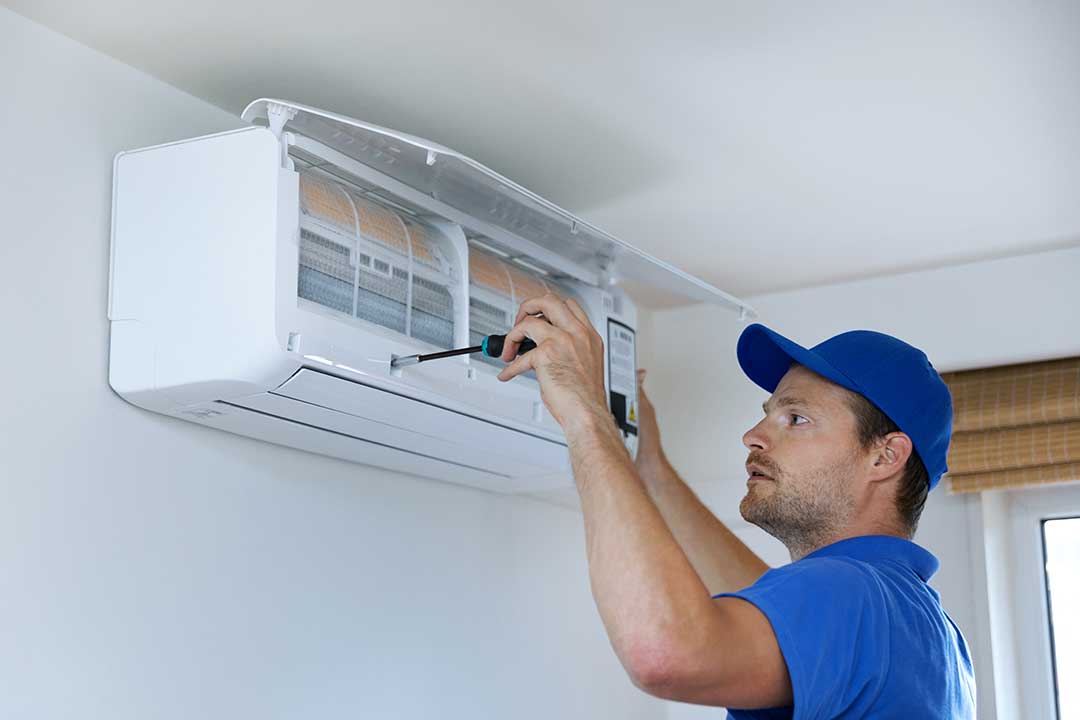
Thicker filters may last longer, but thickness alone does not guarantee a better result. A filter must be compatible with the equipment and installed in the correct direction. The arrow printed on the frame should point toward the blower or indoor unit.
A filter that looks gray, matted, or visibly covered with dust should generally be replaced rather than left in place until the next calendar reminder.
Is a higher-rated filter always better?
No. A filter with a higher particle-capture rating may remove more small particles, but it can also restrict airflow if the HVAC system was not designed for it.
This is a common misconception. Air cleanliness and equipment airflow both matter. Installing the most restrictive filter that fits physically may cause comfort and performance problems. The filter’s dimensions, construction, and rating should match the system’s requirements.
If a filter causes noticeably weaker airflow after installation, that is a reason to verify compatibility rather than assuming the system is improving because the filter is more substantial.
What mistakes do homeowners commonly make?
Several simple mistakes can reduce the benefit of a clean filter:
- Installing the filter backward
- Using the wrong size and leaving gaps around the frame
- Forgetting a second filter in a return grille
- Running the system without a filter
- Reusing a disposable filter after shaking it out
- Waiting until airflow becomes weak before checking
- Blocking return grilles with furniture or household items
A filter should fit securely without collapsing or bending. Multiple filters should not be added unless the system was specifically designed for that arrangement. Extra filtration points can unintentionally restrict airflow.
What should Forest Acres residents check during seasonal changes?
Before periods of heavy cooling or heating use, inspect the filter and make sure supply registers and return grilles are open and unobstructed. Dust from open windows, seasonal pollen, pets, and household activity can load a filter faster than expected.
It is also useful to pay attention to changes rather than relying only on a schedule. A sudden rise in dust, weaker airflow, longer run times, or unusual system noise may indicate that the filter needs attention or that another airflow problem is developing.
A clean, properly fitted filter cannot solve every HVAC issue, but it removes one of the most common and preventable sources of restricted airflow. Regular inspection helps protect comfort, indoor air movement, and the equipment’s normal operating conditions.