

 See My Latest Article on HelloNation
Why Does Winter HVAC Preparation Matter in Forest Acres, SC?
Preparing your heating and cooling system for winter helps maintain comfort and efficiency through colder weather. Local households in Forest Acres experience a humid subtropical climate, which means winter can bring mild to chilly days, occasional freezing nights, and damp air. Failing to address seasonal needs increases the chance of chilly drafts, high energy bills, or unexpected equipment issues.
Even if major freezes are rare, a well-prepared system copes better with rapid temperature swings and keeps your house reliably warm, especially during cold snaps occasionally seen in the region.
What Should Be Checked Before Winter Starts?
Most area residents can handle several routine checks before the weather cools down:
- Thermostat Function: Verify your thermostat responds quickly to changes. Switch from “cool” to “heat” mode and raise the set point; warm air should blow within minutes. Replace batteries if needed to avoid disruptions during a cold night.
- Air Filter: Replace or clean the HVAC system’s air filter. Clogged filters strain the system and increase dust in local homes, especially during allergy season when windows tend to stay closed.
- Registers and Vents: Walk through your home and clear off any furniture, rugs, or curtains that might be blocking supply or return vents. Good airflow is essential for even heating.
How Does Local Climate Affect Winter HVAC Preparation?
Forest Acres typically sees mild winters, but humidity remains a factor even when temperatures dip. Prolonged dampness can lead to condensation in ductwork, making it important to:
- Inspect visible ductwork in attics or crawlspaces for signs of moisture, rust, or mold.
- Make sure exterior doors and windows are properly sealed to minimize heat loss and keep humidity outside.
- Use the “auto” fan setting rather than “on” to reduce unnecessary circulation of humid air.
A common misconception is that winter prep is only about heat—humidity control and insulation help your heating system work less and last longer in South Carolina’s fluctuating weather.
What About Outdoor HVAC Equipment?
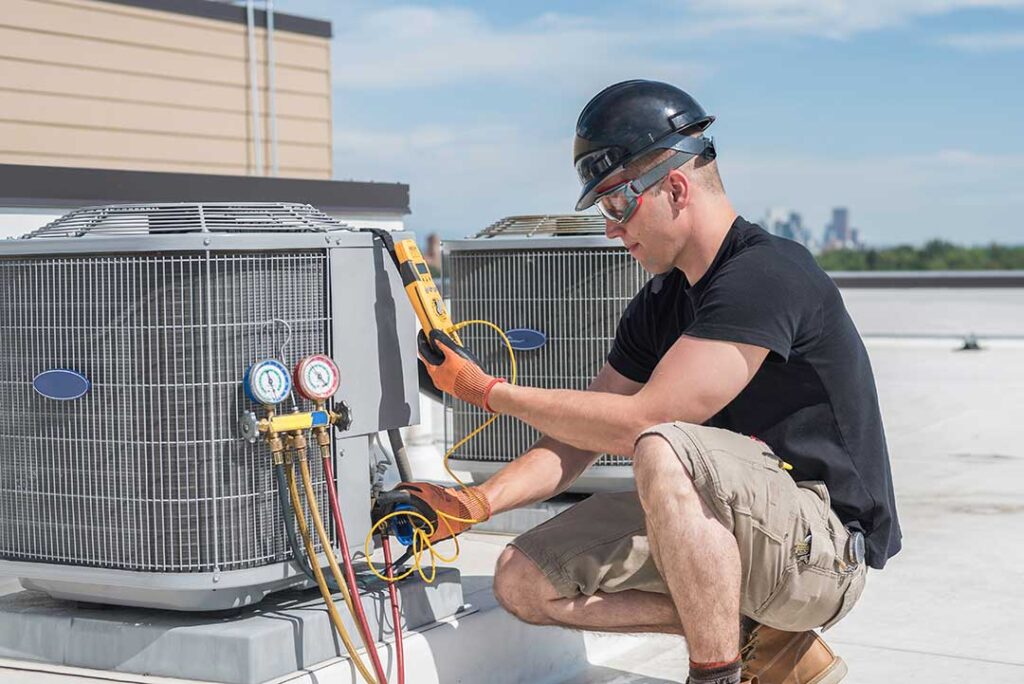
While most homes in Forest Acres have “split systems” with outdoor units, these typically serve both heating and cooling (like heat pumps). Before the first cold snap:
- Clear leaves, pine needles, and debris from around the outdoor unit. This prevents clogging and helps air flow freely.
- Visually check for nests or signs of animals that might have sheltered under the unit during fall.
- Ensure the unit stands level and clear of heavy winter rainfall or puddling, which can accelerate wear.
Do not cover the outdoor unit unless your manufacturer specifically recommends it; improper covering traps moisture and can encourage rust.
Should Homeowners Test the System on a Mild Day?
It’s wise to run your heater before temperatures truly drop. On a mild afternoon, set your thermostat to “heat” and let the system run a full cycle.
- Listen for unusual sounds like banging or grinding, which may signal motor or blower issues.
- Smelling a slightly dusty odor briefly is normal—this is often dust burning off inside the furnace. If odors persist, or you smell burning plastic or see smoke, turn the system off and inspect further.
- Keep an eye on cycling—frequent on/off cycles or failure to reach set temperature suggests a system or thermostat issue.
Addressing these tests early gives you time to find and fix problems while temperatures are manageable.
Are There Areas of the Home That Often Get Overlooked?
Some spots need extra attention for full winter comfort:

- Attic and Crawlspaces: Check for drafts, missing insulation, or exposed ducts. Uninsulated ducts lose heat quickly and increase energy use.
- Windows and Doors: Apply weatherstripping or caulk to gaps. Even small air leaks can make it feel colder and cause uneven heating.
- Ceiling Fans: Reverse ceiling fan direction to clockwise at low speed—this gently pushes warm air down and helps larger rooms warm up faster.
Especially in older homes around Forest Acres, small projects like sealing leaks or boosting insulation make heating more effective for the whole space.
Can Homeowners Clean or Service Their Heating System?
Changing filters and vacuuming vents are safe for most residents. For deeper inspection:
- Only clean accessible vent covers and registers with a vacuum or damp cloth.
- Don’t attempt to open sealed furnace components or electrical panels unless you’re familiar with HVAC systems.
- If you notice wet spots, electrical smells, or signs of pest infestation inside your system, stop and seek expert help. These can be safety hazards.
Furnace combustion or gas systems should only be inspected beyond surface cleaning by those familiar with safety codes, especially since many homes in the area use electric heat.
Common Questions About Energy Use and Settings
Residents sometimes wonder about thermostat strategies or if it’s worth turning the system way down overnight. In Forest Acres:
- Set your thermostat to the lowest comfortable winter setting, typically between 68-70°F for most families.
- Lowering the temperature by 7-10 degrees overnight can save energy in homes with efficient building envelopes, but poorly insulated homes may lose too much heat and require more energy to heat back up in the morning.
- Programmable or “smart” thermostats work well for families away during the day but should be set with realistic temperature swings for local construction styles.
Keeping temperature changes gradual helps prevent unnecessary wear on older systems common in the region.
How Often Should Residents Schedule Maintenance?
A professional inspection is recommended annually for most HVAC systems, especially before winter if your system is older, under warranty, or you notice unusual noises, smells, or frequent cycling. However, regular homeowner checks—like those outlined above—can catch many issues early and help avoid winter surprises.