

 See My Latest Article on HelloNation
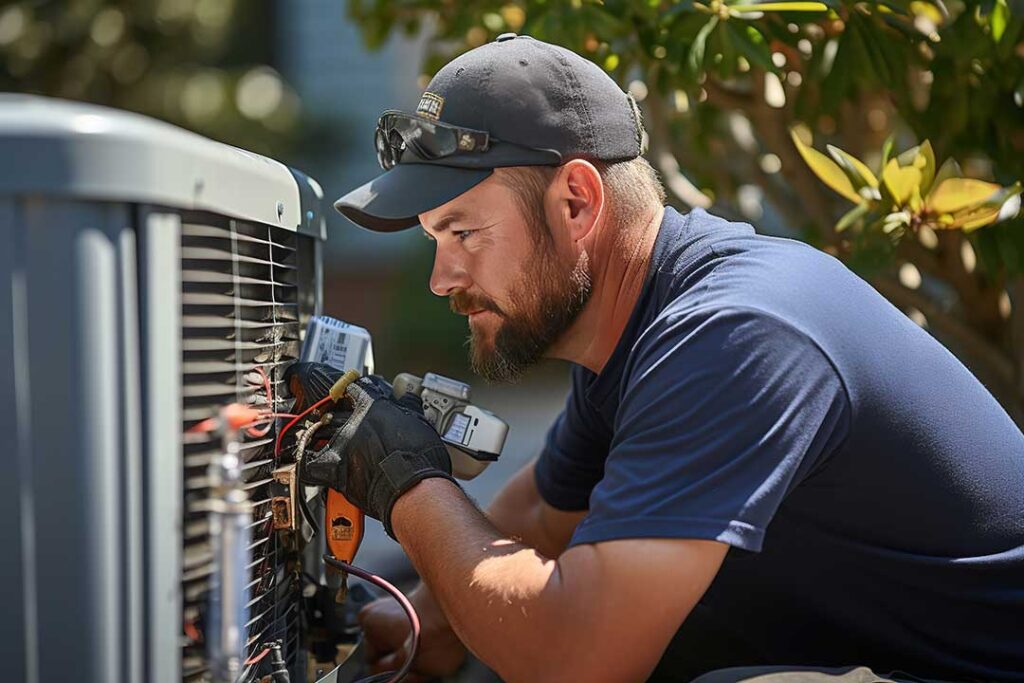
Why HVAC equipment wears out faster than expected
HVAC systems often last longer when they operate under steady, reasonable conditions rather than working through avoidable strain. In Forest Acres, long cooling seasons, high summer humidity, pollen, thunderstorms, and occasional cold snaps can all affect heating and cooling equipment.
The equipment’s age matters, but daily operating conditions matter just as much. Restricted airflow, neglected moisture, poor thermostat settings, dirty outdoor coils, and deferred repairs can increase wear on motors, compressors, fans, electrical components, and ductwork.
Extending equipment life does not require complicated maintenance. It depends largely on keeping air moving, controlling moisture, protecting outdoor components, and addressing small problems before they become major failures.
How often should HVAC filters be changed?
Most households should inspect the HVAC filter every month and replace it when it is visibly dirty or according to the filter manufacturer’s instructions. A filter may need more frequent replacement in homes with pets, construction dust, frequent cooking, allergy concerns, or heavy seasonal pollen.
A clogged filter forces the blower to work harder and can reduce the amount of air moving through the system. That may lead to uneven temperatures, longer run times, frozen cooling coils, higher energy use, and premature blower wear.
Filter changes should follow these basic practices:
- Use the correct filter size and install it in the direction shown by the airflow arrow.
- Avoid assuming that a thicker or more restrictive filter is automatically better.
- Check filters more often during spring pollen and peak summer cooling.
- Keep spare filters stored in a dry, clean location.
- Do not operate the system for long periods without a filter.
A filter protects both indoor air quality and the equipment, but it cannot correct duct leaks, poor system design, or excessive household dust by itself.
What outdoor maintenance helps an air conditioner last longer?
Keep at least two feet of open space around the outdoor unit whenever possible. Grass, leaves, pine needles, mulch, vines, and stored items can restrict airflow through the condenser coil.
Before clearing debris, turn off power to the equipment using the appropriate disconnect or electrical panel. Remove loose leaves by hand or with a soft brush. Avoid bending the thin metal fins, spraying high-pressure water into the cabinet, or placing objects on top of the unit.
Outdoor coils can collect dust and pollen even when the surrounding area appears clean. A lightly dirty coil may reduce heat transfer and cause the system to run longer. More serious buildup, bent fins, unusual noises, or visible electrical damage should be handled carefully because the equipment contains electrical components and refrigerant under pressure.
During severe weather, secure nearby lightweight objects that could blow into the unit. Do not enclose the equipment with solid screening that blocks airflow.
How does thermostat use affect equipment life?
Moderate thermostat settings usually place less stress on HVAC equipment than large, sudden temperature changes. Lowering the thermostat dramatically during a hot Forest Acres afternoon does not make the system cool the home instantly. It simply asks the equipment to run longer.
A programmable or smart thermostat can reduce unnecessary operation when the home is empty, but large setbacks are not always helpful during humid weather. If indoor humidity rises while the system is off, the unit may need a long recovery period to cool and dehumidify the home.
Helpful habits include:
- Set realistic temperatures instead of repeatedly adjusting the thermostat.
- Keep the thermostat away from direct sunlight, supply vents, ovens, and other heat sources.
- Replace thermostat batteries when the display indicates low power.
- Avoid frequent manual overrides that cause repeated changes in the system’s schedule.
- Use ceiling fans for comfort, but turn them off in unoccupied rooms because fans cool people, not empty spaces.
A thermostat that displays incorrect temperatures, loses settings, or causes short cycling may need attention.
Why is humidity control important in this area?
Cooling equipment removes some moisture from indoor air as it operates. If the system is oversized, airflow is poorly adjusted, or the home has significant air leakage, the unit may cool the space quickly without running long enough to control humidity effectively.
High indoor humidity can make rooms feel warmer, encourage musty odors, and contribute to condensation around ducts, registers, windows, or other cool surfaces. It may also increase the workload on the air conditioner.
Residents can support better humidity control by keeping doors and windows closed while the system is operating, using bathroom and kitchen exhaust fans briefly after moisture-producing activities, and repairing visible plumbing or roof leaks. A portable humidity meter can help identify whether indoor moisture is consistently elevated.
Do not assume that setting the thermostat lower will solve every humidity problem. Persistent dampness may indicate an airflow, drainage, insulation, ductwork, or building-envelope issue.
Should ductwork and vents be checked?
Yes. Airflow problems can shorten equipment life even when the central unit appears to be operating normally.
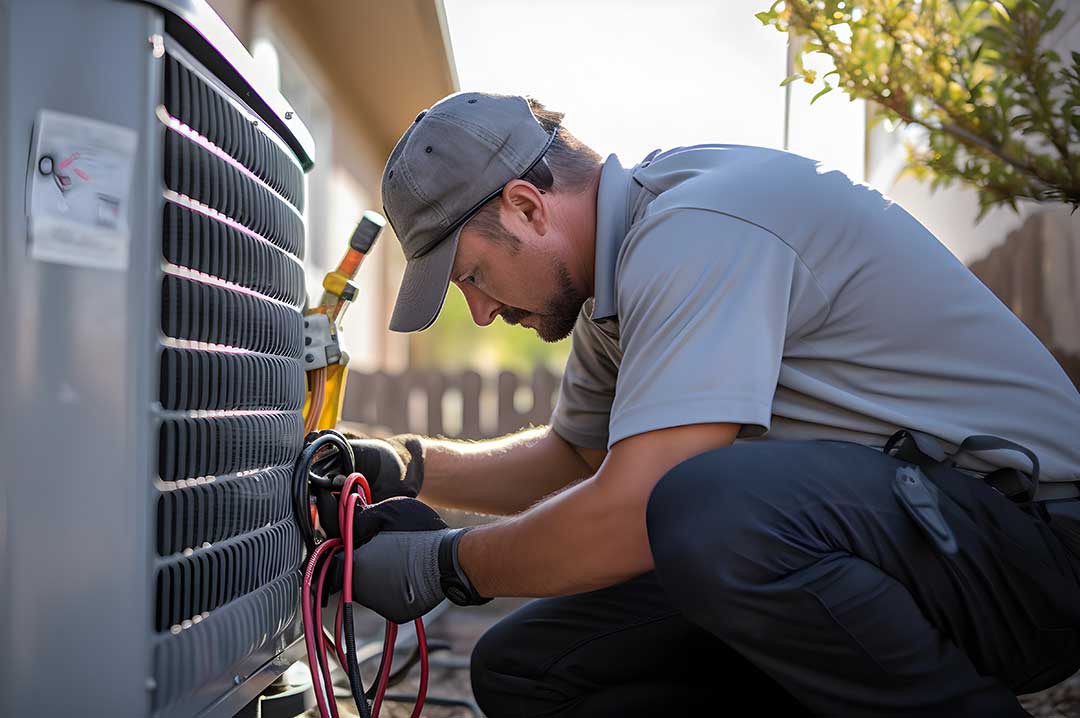
Keep supply registers and return grilles open and unobstructed. Furniture, rugs, curtains, and storage boxes can block air movement. Closing numerous supply vents may increase pressure inside the duct system and does not necessarily redirect air efficiently to other rooms.
Visible duct connections should be checked for gaps, crushed sections, loose insulation, or signs of condensation. Ducts located in hot attics or humid crawl spaces can lose energy and may draw in dust or moisture if they are not properly sealed.
A room that is consistently too hot, too cold, dusty, or humid may be showing an airflow problem rather than a thermostat problem. Strange whistling, rattling, or rushing sounds can also indicate restrictions or leaks.
What routine maintenance should not be postponed?
Certain tasks require trained knowledge because they involve electricity, refrigerant, combustion, gas connections, or elevated equipment. These include electrical testing, refrigerant work, combustion inspections, heat exchanger evaluation, condensate repairs, and complicated airflow adjustments.
Routine inspection can identify dirty coils, loose wiring, worn belts, blocked drains, unusual temperature differences, and other developing problems. Small defects may be less expensive and less disruptive to correct than failures that occur during the hottest or coldest weather.
Safety issues deserve prompt attention. Stop using the equipment and seek qualified assistance if there is a gas odor, burning electrical smell, repeated breaker tripping, smoke, carbon monoxide alarm activity, water near electrical components, or a heat pump or furnace that repeatedly shuts down.
What maintenance mistakes shorten HVAC life?
Several common habits create unnecessary stress:
- Ignoring a filter because the system still appears to run normally.
- Letting leaves and vegetation accumulate around the outdoor unit.
- Running cooling equipment with doors or windows open.
- Blocking return grilles with furniture.
- Using the wrong replacement filter size.
- Spraying harsh chemicals or high-pressure water onto coils.
- Delaying repairs because the system eventually starts after being reset.
- Assuming a newer thermostat can compensate for poor airflow or failing equipment.
- Operating heating equipment with damaged flues, blocked vents, or combustion concerns.
Annual maintenance is not a guarantee that equipment will never fail, but it can reveal conditions that affect safety, efficiency, and service life.
How can homeowners recognize early warning signs?
Pay attention to changes rather than waiting for a complete breakdown. Warning signs include longer run times, short cycling, uneven temperatures, rising indoor humidity, weak airflow, new buzzing or grinding sounds, water around the indoor unit, repeated drain clogs, unusual odors, and circuit breakers that trip more than once.
Keep a simple record of repairs, filter changes, unusual symptoms, and thermostat settings. This information can help identify patterns, especially when problems appear only during heavy cooling or heating demand.
A well-maintained HVAC system still has a normal service life and will eventually need replacement. The practical goal is to reduce avoidable strain, preserve safe operation, and make informed decisions before a minor issue becomes an emergency.