

 See My Latest Article on HelloNation
Heat pumps are heating and cooling systems that move heat rather than create it through combustion. In summer, a heat pump removes heat from indoor air and releases it outdoors. In winter, it reverses that process, collecting available heat from outdoor air and bringing it inside.
For households in Forest Acres, SC, this two-way operation can be useful because the region typically has long cooling seasons, mild winters, and occasional cold snaps. Understanding how the equipment works makes it easier to recognize normal operation, compare system types, and identify problems that need attention.
What exactly is a heat pump?
A heat pump is a refrigeration system that can operate in either direction. It uses a compressor, refrigerant, indoor coil, outdoor coil, and a reversing valve to transfer heat between the home and the outdoors.
The system does not generate heat in the same way a furnace burns natural gas or oil. Instead, it uses electricity to move heat from one location to another. Even when outdoor air feels cold, it still contains some thermal energy. A heat pump extracts that energy and concentrates it indoors.
Most residential heat pumps are also air conditioners. The same equipment that cools a home in July can heat it during winter by reversing the refrigerant flow.
How does a heat pump cool a home?
During cooling mode, the indoor coil acts as an evaporator. Warm indoor air passes over the coil, and heat from that air moves into the refrigerant. The blower then sends cooler air back through the home’s ductwork.
The refrigerant carries the absorbed heat to the outdoor unit. There, the compressor raises the refrigerant’s pressure and temperature. The outdoor coil releases the heat into the surrounding air, and the refrigerant returns indoors to repeat the cycle.
This process also removes humidity because moisture in indoor air can condense on the cold indoor coil. That moisture drains away through the condensate system. In a warm, humid climate, proper drainage and airflow are especially important for maintaining comfortable indoor conditions.
How does a heat pump heat a home?
In heating mode, the reversing valve changes the direction of refrigerant flow. The outdoor coil extracts heat from outside air, even when the air feels chilly. The refrigerant carries that heat indoors, where the indoor coil releases it into the home.
The outdoor unit may blow cool air during this process. That is normal because the system is removing heat from the outdoor air. The indoor supply air may also feel less intensely hot than furnace air, but it can run for longer periods and provide steady heating.
A heat pump may operate continuously or in longer cycles during mild winter weather. Longer, quieter cycles are not necessarily a sign of poor performance. They can indicate that the system is maintaining temperature gradually rather than rapidly turning on and off.
What is the outdoor unit doing during winter?
A heat pump’s outdoor coil can become cold enough for frost to form on it. To keep airflow moving, the system periodically enters a defrost cycle.
During defrost, the heat pump temporarily reverses operation and sends warm refrigerant through the outdoor coil. You may notice:
- Steam rising from the outdoor unit
- A change in fan operation
- A brief period of cooler air indoors
- A hissing or whooshing sound
- Water draining beneath the unit
These signs are usually normal if the cycle ends after several minutes and the system returns to heating. Heavy ice that remains on the coil, blocked airflow, or repeated long defrost cycles may indicate a problem with airflow, refrigerant, controls, or drainage.
What is auxiliary or backup heat?
Many heat pumps include electric resistance heat as a backup source. This is often called auxiliary heat, supplemental heat, or emergency heat, depending on the system and thermostat.
Auxiliary heat may operate when:
- Outdoor temperatures drop sharply
- The thermostat setting is raised several degrees at once
- The heat pump is in a defrost cycle
- The system cannot maintain the indoor temperature by itself
Electric backup heat uses more energy than normal heat-pump operation. A brief appearance of “AUX” on the thermostat is not automatically a fault, especially during a cold morning or defrost cycle. However, auxiliary heat running for long periods during moderate weather may point to an airflow issue, restricted filter, thermostat problem, or equipment fault.
“Emergency heat” is intended for situations when the heat pump itself is not operating properly. It disables normal heat-pump operation and relies on the backup heat source. It should not be used as the regular heating setting.
Are heat pumps effective in a mild winter climate?
Yes. Heat pumps generally perform efficiently in climates where winter temperatures are moderate and extended deep-freeze conditions are uncommon. That makes them a practical option for many homes in Forest Acres, SC.
Efficiency can vary with:
- Outdoor temperature
- Equipment size and condition
- Duct leakage
- Airflow restrictions
- Insulation and air sealing
- Thermostat settings
- Indoor humidity
- The age and design of the system
A heat pump may lose heating capacity as outdoor temperatures fall. Modern cold-climate models can operate at lower temperatures than older designs, but every system has a point where supplemental heat becomes more important.
Do heat pumps work with existing ductwork?
Many heat pumps use the same type of duct system as a conventional central air conditioner. If a home already has forced-air cooling, the ductwork may be suitable, but its condition and design still matter.
Common duct-related problems include:
- Leaks in attics, crawl spaces, or wall cavities
- Crushed or disconnected flexible ducts
- Poorly insulated supply runs
- Imbalanced airflow between rooms
- Undersized return-air pathways
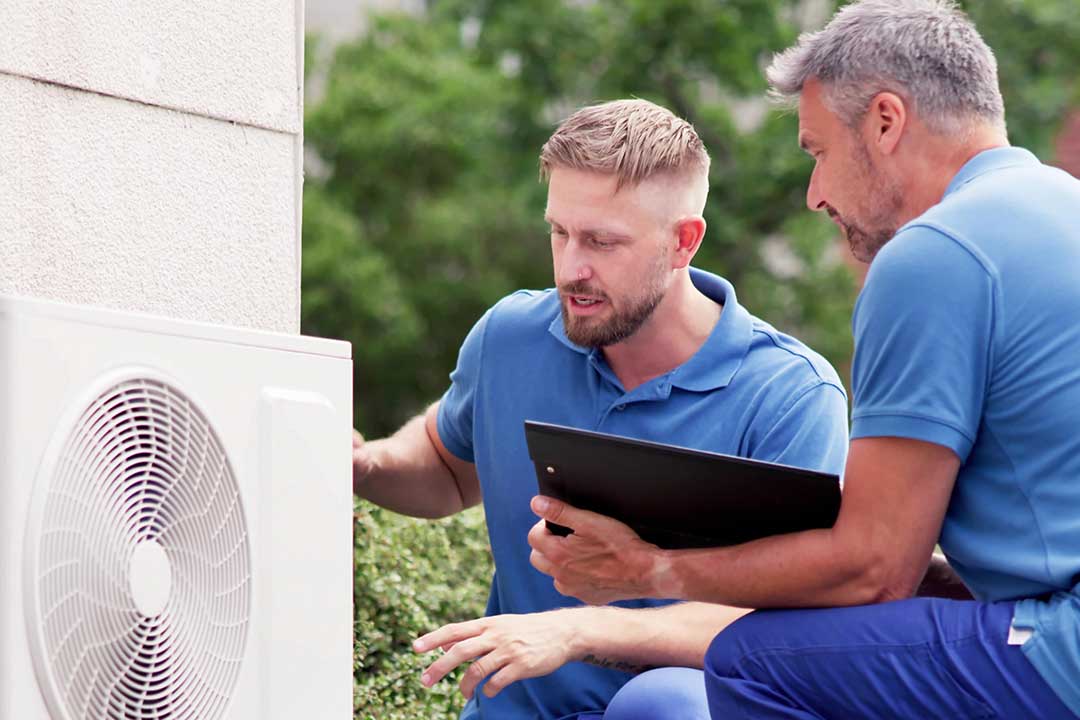
A heat pump can operate correctly while a duct system wastes energy or creates uneven temperatures. Rooms that are consistently too warm or too cool may have an airflow or building-envelope issue rather than a problem with the outdoor unit.
Ductless heat pumps are another option. They use indoor air handlers connected to an outdoor unit and can serve individual rooms, additions, garages, or homes without conventional ductwork.
How much maintenance does a heat pump need?
Routine maintenance mainly protects airflow, drainage, electrical connections, and heat-transfer surfaces. Homeowners can usually handle basic tasks such as:
- Replacing or cleaning the air filter according to its condition
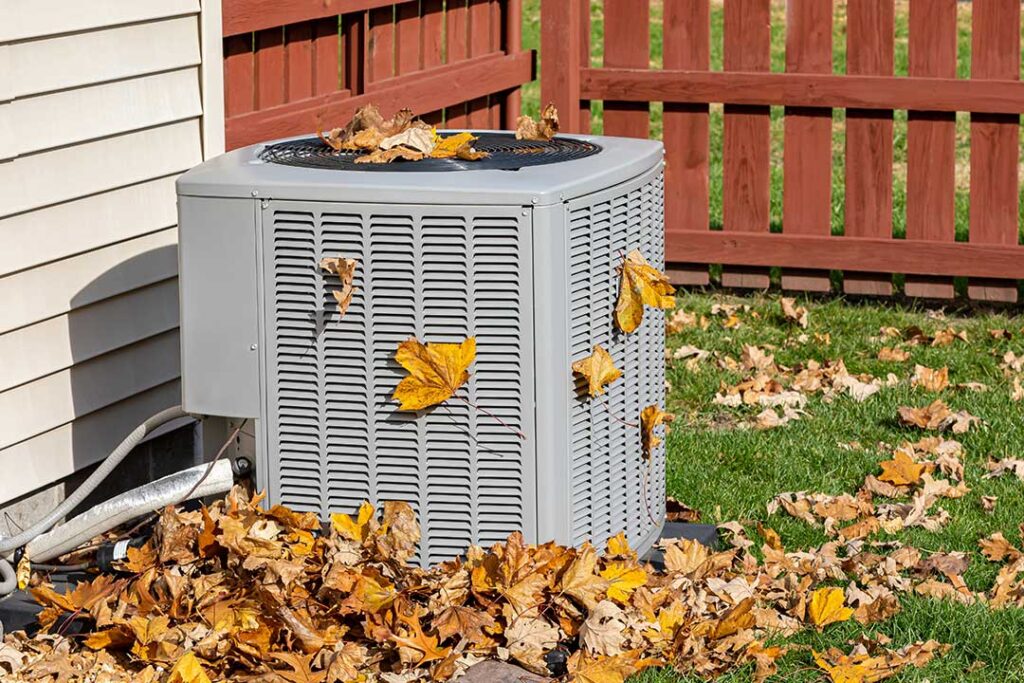
- Keeping leaves, grass, and stored items away from the outdoor unit
- Checking that supply and return registers are not blocked
- Watching for unusual water, ice, or noise
- Keeping the thermostat on a steady setting
The outdoor coil should have clear space around it so air can move freely. Filters that are heavily loaded with dust can reduce airflow, increase operating time, and contribute to coil freezing in cooling mode.
Electrical components, refrigerant circuits, and sealed-system repairs involve safety and technical concerns. Those tasks require qualified service when a system has exposed wiring, refrigerant loss, repeated breaker trips, burning odors, or severe icing.
What heat pump problems should not be ignored?
Some symptoms deserve prompt attention:
- The system blows room-temperature air for an extended period
- The outdoor unit is covered in solid ice
- The heat pump runs continuously without maintaining the set temperature
- The thermostat repeatedly switches to auxiliary heat
- Indoor humidity remains unusually high during cooling
- Water appears around the indoor unit
- A breaker trips more than once
- Grinding, scraping, or electrical buzzing develops
A single brief sound during startup or defrost may be normal. Persistent changes in performance are more useful warning signs than any one noise by itself.
How should a thermostat be set?
Heat pumps generally work best with moderate, consistent thermostat settings. Large temperature setbacks can trigger auxiliary heat, especially when the system must raise the indoor temperature quickly.
A programmable or smart thermostat should be compatible with the specific heat-pump configuration. Wiring and settings differ from conventional air-conditioning-and-furnace systems, particularly when auxiliary heat or dual-fuel equipment is involved.
The most useful approach is to watch operating patterns: how long the system runs, whether it maintains the set temperature, and whether comfort differs noticeably between rooms. Those observations can help distinguish normal seasonal operation from a developing issue.